

Irregular Verbs: Lesson 3
🎥 Video:
📚 Study Guide:
📚 Printable Cards:
¿Prefieres practicar con material físico?
Descarga, imprime y recorta las tarjetas. Luego, empareja cada tarjeta con imagen y significado en español con la tarjeta que muestra las tres formas del verbo en inglés.
Puedes mezclarlas y repetir la actividad varias veces para reforzar el reconocimiento de cada verbo.
🎧 Study Cards with Audio:
Escucha los audios y repite en voz alta.
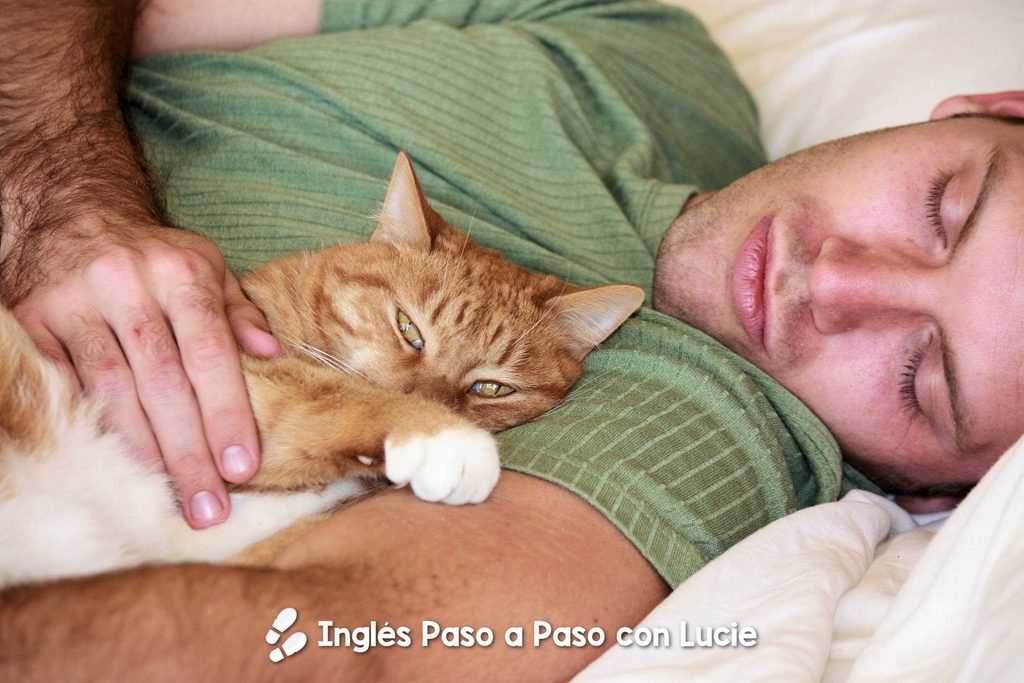
13. creep / crept / crept
The cat always creeps into my bed at night.
The cat crept into my bed while I was asleep.
The cat has crept into my bed every night this week.

14. keep / kept / kept
I try to keep my desk clean during the week.
I kept my desk clean all day yesterday.
I’ve kept my desk clean since Monday.

15. sleep / slept / slept
My doctor says I should sleep more.
I slept better after taking the medicine.
I’ve slept well for the past few days.
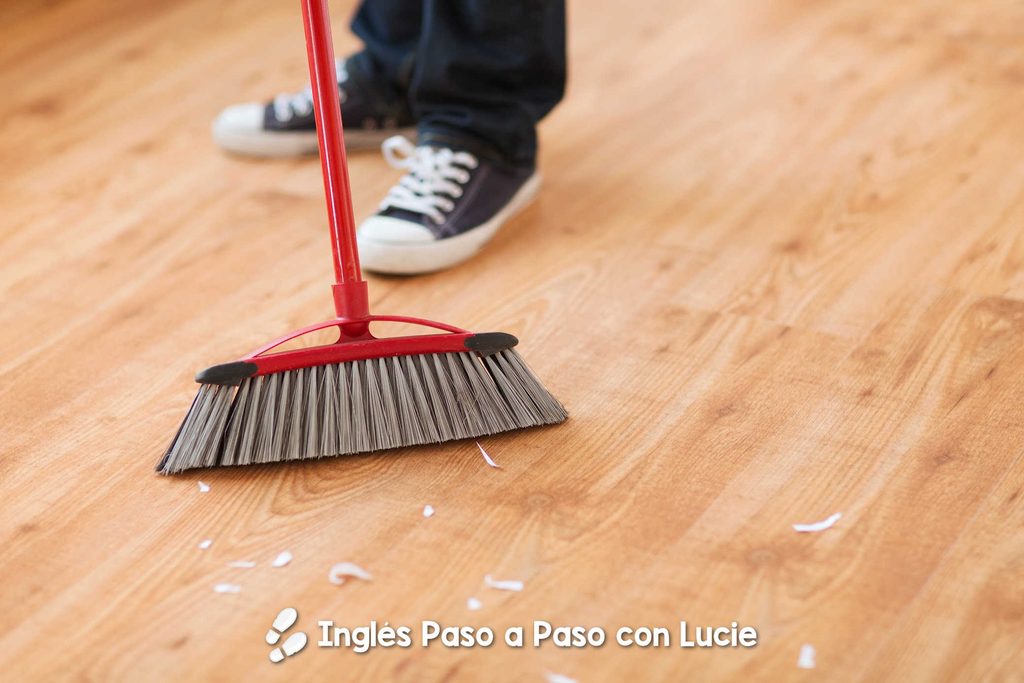
16. sweep / swept / swept
I usually sweep the kitchen in the morning.
I swept the kitchen after breakfast today.
I’ve already swept the kitchen twice this week.

17. weep / wept / wept
Sometimes I weep when I watch emotional movies.
I wept during the ending of that movie last night.
I’ve wept at the same scene every time I watch it.
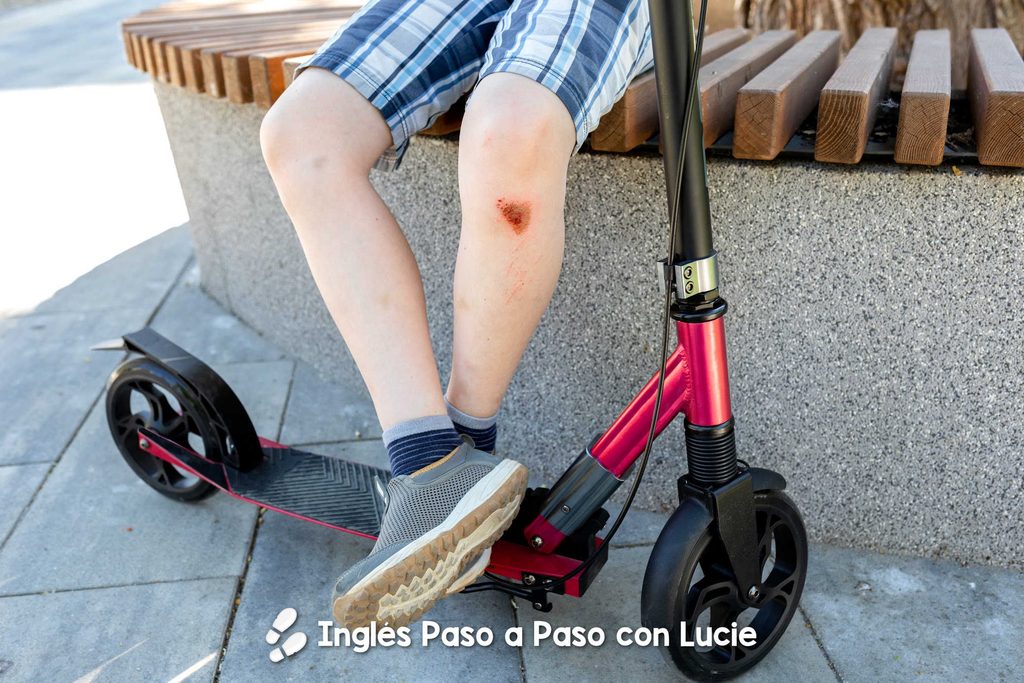
18. bleed / bled / bled
Kids sometimes bleed when they fall and scrape their knees.
My little brother bled a lot when he tripped and hit the pavement.
He has bled three times this month while playing outside.
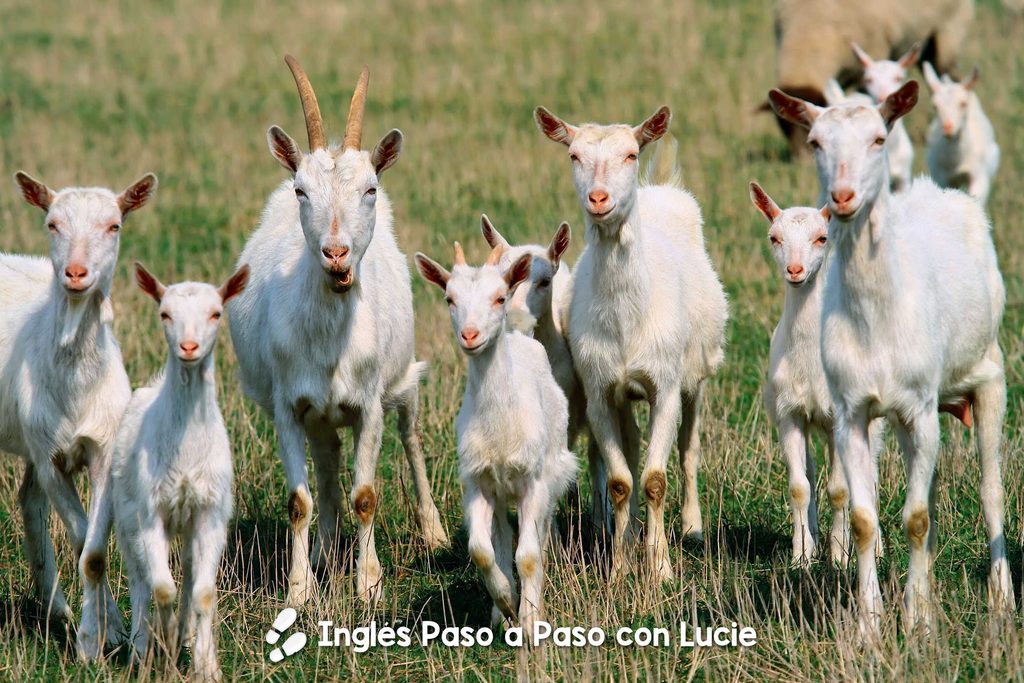
19. breed / bred / bred
Farmers often breed animals for milk or meat.
They bred goats on their farm last year.
They’ve bred animals on that farm for generations.
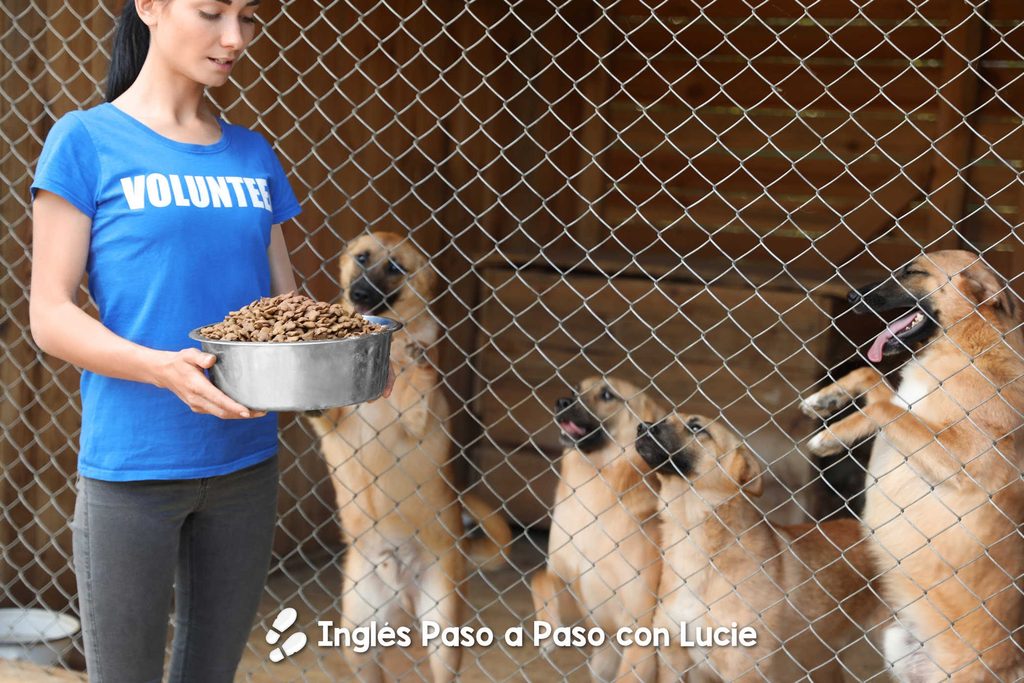
20. feed / fed / fed
I feed the puppies as soon as I arrive at the shelter.
We fed ten dogs before noon today.
We’ve fed over fifty animals this week.
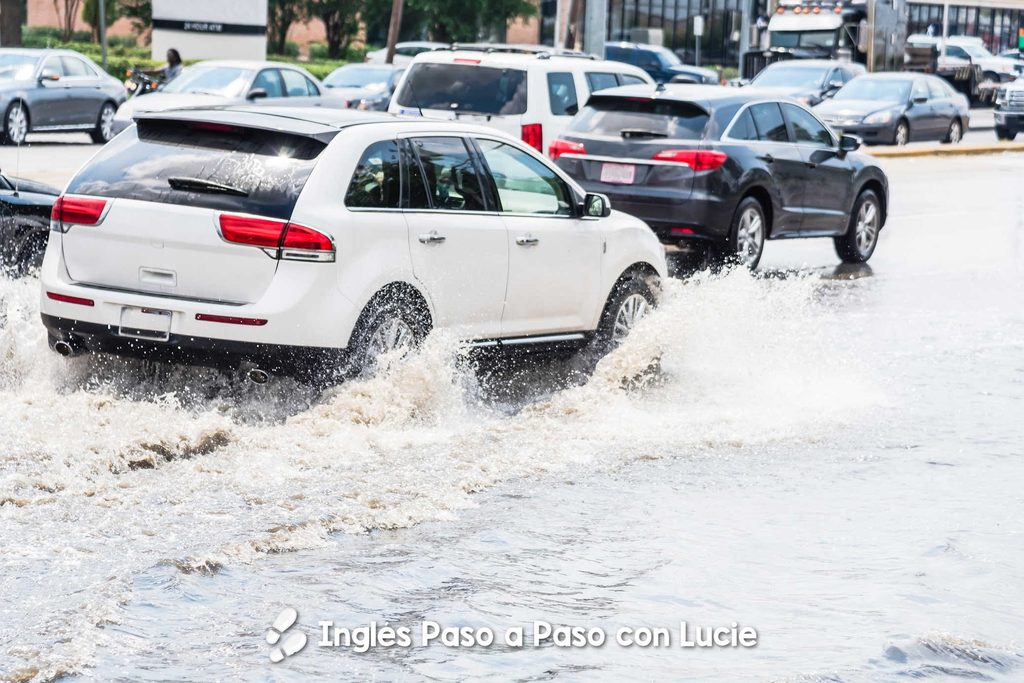
21. flee / fled / fled
Many families flee the area when storms get dangerous.
The Garcias fled their home during the hurricane last year.
Several families have fled this town because of the floods.

22. lead / led / led
Laura leads hiking tours every weekend.
She led a group through the forest last Saturday.
Laura has led over 100 tours this year.

23. mislead / misled / misled
Fake headlines often mislead people online.
That article misled thousands of readers last week.
Several posts have misled the public about the situation.
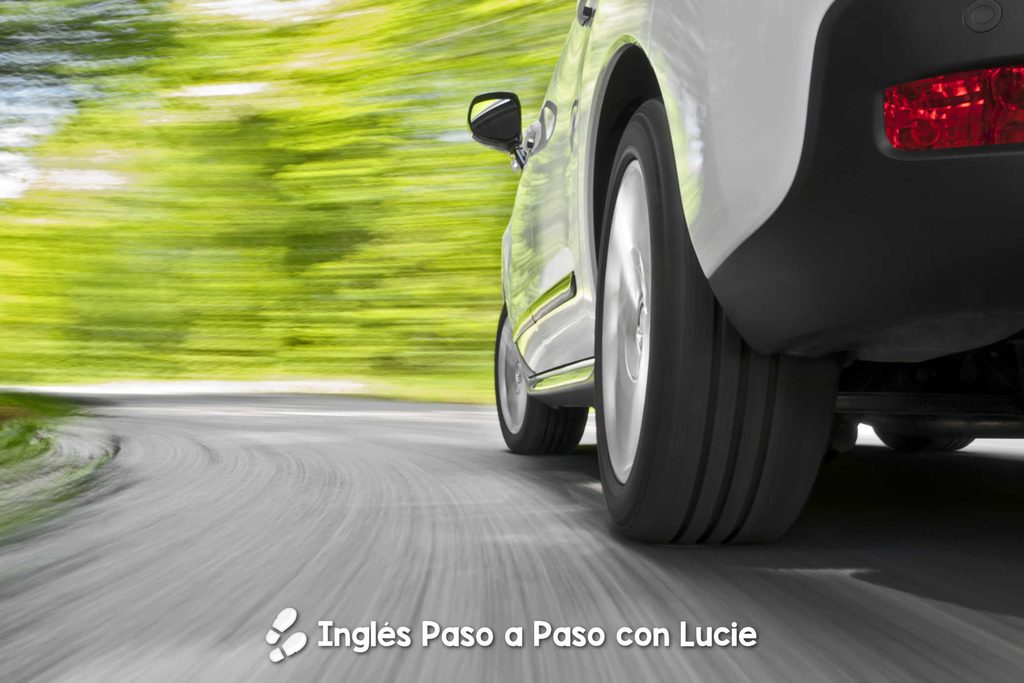
24. speed / sped / sped
Drivers often speed when they’re late for an appointment.
James sped down the highway to make it on time.
He has sped through that route many times before.
✅ Flashcards:
✅ Pair or No Pair?
- Escucha cada oración en inglés y decide si corresponde con el verbo que aparece en español.
- Selecciona «Pair» si la oración contiene una forma de ese verbo.
- Selecciona «No Pair» si no corresponde.
¿Tuviste dudas con alguna de las oraciones? Haz clic aquí.
1. The children fed the ducks by the lake yesterday.
Los niños alimentaron a los patos junto al lago ayer.
2. I creep past my son’s bedroom so I don’t wake him.
Paso sigilosamente frente a la habitación de mi hijo para no despertarlo.
3. Our teacher has led several classroom discussions this month.
Nuestro profesor ha dirigido varias discusiones en clase este mes.
4. I sleep with a fan on during the summer.
Duermo con un ventilador encendido durante el verano.
5. My uncle bred rabbits when he was younger.
Mi tío criaba conejos cuando era más joven.
6. Many residents have fled the town because of the fire.
Muchos residentes han huido del pueblo debido al incendio.
7. We sweep the porch every Saturday morning.
Barremos el porche todos los sábados por la mañana.
8. My finger bled after I opened the can.
Mi dedo sangró después de que abrí la lata.
9. That advertisement has misled many customers.
Ese anuncio ha engañado a muchos clientes.
10. Please keep your ticket until the concert ends.
Por favor, guarda tu boleto hasta que termine el concierto.
11. The driver has sped through that tunnel many times.
El conductor ha pasado a exceso de velocidad por ese túnel muchas veces.
12. The actress wept when she received the award.
La actriz lloró cuando recibió el premio.
✅ Spell the Word:
- Escucha cada oración.
- Identifica el verbo que escuchas y usa las letras disponibles para escribirlo correctamente.
- Escribe únicamente el verbo.
¿Tuviste dudas con alguna de las oraciones? Haz clic aquí.
1. Emma and I lead a cooking class on Tuesdays.
Emma y yo dirigimos una clase de cocina los martes.
2. My neighbor swept the leaves off his driveway.
Mi vecino barrió las hojas de la entrada de su casa.
3. We have already fed the fish, so don’t give them more food.
Ya hemos alimentado a los peces, así que no les des más comida.
4. Deer often flee when they hear people nearby.
Los venados suelen huir cuando escuchan personas cerca.
5. I kept the letter my friend sent me from Canada.
Guardé la carta que mi amigo me envió desde Canadá.
6. She has wept several times while reading this novel.
Ella ha llorado varias veces mientras lee esta novela.
7. They have bred sheep for more than fifteen years.
Ellos han criado ovejas durante más de quince años.
8. A mouse crept behind the washing machine last night.
Un ratón se deslizó sigilosamente detrás de la lavadora anoche.
9. Some cyclists speed down the hill to finish the race.
Algunos ciclistas bajan la colina a toda velocidad para terminar la carrera.
10. His nose has bled twice this week.
Le ha sangrado la nariz dos veces esta semana.
11. We slept on the train during the long ride.
Dormimos en el tren durante el largo recorrido.
12. False information can mislead people.
La información falsa puede engañar a las personas.
✅ Speak the Words:
- Lee la oración y escucha el audio.
- Haz clic en el botón “Presione para hablar” y repite en voz alta únicamente el verbo irregular.
- Luego verifica tu respuesta y vuelve a intentarlo si es necesario.
- No te preocupes si no entiendes todas las palabras. Por ahora enfócate únicamente en los verbos irregulares.
- Esta actividad funciona mejor en Chrome.
¿Tuviste dudas con alguna de las oraciones? Haz clic aquí.
1. The taxi sped through the empty streets.
El taxi avanzó a toda velocidad por las calles vacías.
2. Some people weep when they listen to sad songs.
Algunas personas lloran cuando escuchan canciones tristes.
3. They breed horses on a large farm near the mountains.
Ellos crían caballos en una granja grande cerca de las montañas.
5. Small cuts can bleed for a few minutes.
Los cortes pequeños pueden sangrar durante unos minutos.
6. The tour guide led us through the castle.
El guía turístico nos guio por el castillo.
7. My sister has slept in a tent many times.
Mi hermana ha dormido en una tienda de campaña muchas veces.
8. The tourists fled the beach when they saw a large wave.
Los turistas huyeron de la playa cuando vieron una ola grande.
9. I feed my neighbor’s cat when she’s away.
Alimento al gato de mi vecina cuando ella está fuera.
10. The directions misled us, so we missed the entrance.
Las indicaciones nos confundieron, así que no encontramos la entrada.
11. I’ve swept the garage, but the shelves are still dusty.
He barrido el garaje, pero los estantes todavía tienen polvo.
✅ Find the Match:
Lee cada oración y elige la traducción del verbo correspondiente.
✅ Fill in the Blanks: A Night at the Farm
¿Tuviste dudas con alguna de las oraciones? Haz clic aquí.
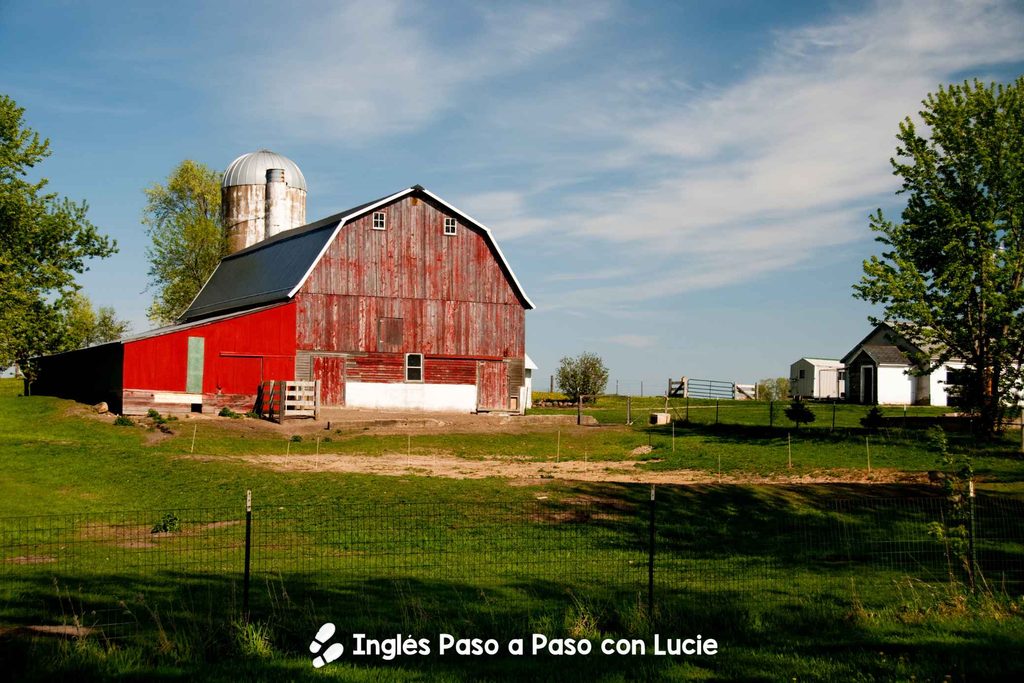
Last summer, Nora stayed at her uncle’s farm, where he bred horses. Every morning, she fed the horses and swept the stable. She also kept a notebook with the name of every horse.
El verano pasado, Nora se quedó en la granja de su tío, donde él criaba caballos. Todas las mañanas, ella alimentaba a los caballos y barría el establo. También llevaba un cuaderno con el nombre de cada caballo.
One night, Nora slept badly because of strange noises outside. Through the window, she saw a man who crept across the yard. He misled the guard dog by throwing a piece of meat far away. Then he tried to open the stable door, but he cut his hand on a nail, and it bled a lot.
Una noche, Nora durmió mal debido a unos ruidos extraños afuera. A través de la ventana, vio a un hombre que se movía sigilosamente por el patio. El hombre engañó al perro guardián lanzando un pedazo de carne lejos. Luego intentó abrir la puerta del establo, pero se cortó la mano con un clavo y sangró mucho.
Nora ran to wake her uncle. When the man heard them, he fled to an old truck and sped down the road.
Nora corrió a despertar a su tío. Cuando el hombre los escuchó, huyó hacia una camioneta vieja y se alejó a toda velocidad por la carretera.
Afterward, Nora wept because she was scared. Her uncle led her to the kitchen and made her a cup of hot chocolate.
Después, Nora lloró porque estaba asustada. Su tío la llevó a la cocina y le preparó una taza de chocolate caliente.
✅ Graba tu pronunciación:
- Grábate leyendo los verbos y las oraciones en voz alta. Usa el botón para grabar tu voz.
- Después, escucha tu grabación con atención. ¿Hay alguna palabra que debas practicar más?
- Puedes descargar el audio y repetir la grabación las veces que necesites.
✅ Quiz: Review
Antes de continuar, realiza este quiz para repasar los verbos que estudiaste en la lección anterior.
Regresa a la Serie de Verbos Irregulares
Haz clic en el botón para seguir aprendiendo más verbos irregulares.
Suscríbete a mi canal en YouTube
¿Te gustaría seguir practicando inglés conmigo?
Suscríbete al canal y activa las notificaciones.