

Page 15 and 16: Complete the Sentences
✅ Exercise:
- Haz el ejercicio de la página 15 y 16 de tu libro.
- Al terminar, usa la siguiente información para revisar tus respuestas y practicar tu pronunciación.

Example:
A: Do the pilots have to fly to Europe every week?
B: No, they don’t. They only fly local routes this month.
A: ¿Los pilotos tienen que volar a Europa todas las semanas?
B: No, no tienen que hacerlo. Este mes solo vuelan en rutas locales.

1.
A: Do you have to wear a uniform at the hospital?
B: Yes, I do. It is a requirement for all nurses.
A: ¿Tienes que usar uniforme en el hospital?
B: Sí, tengo que usarlo. Es un requisito para todas las enfermeras.

2.
A: Why is Jason at the bakery so early?
B: Because he has to bake 50 loaves of bread before 7:00 AM.
A: ¿Por qué está Jason en la panadería tan temprano?
B: Porque tiene que hornear 50 barras de pan antes de las 7:00 a. m.

3.
A: Does Amy have to check the financial accounts today?
B: No, she doesn’t. She finished that work yesterday.
A: ¿Amy tiene que revisar las cuentas financieras hoy?
B: No, no tiene que hacerlo. Terminó ese trabajo ayer.

4.
A: Do the drivers have to work on Sunday?
B: No, they don’t. The delivery office is closed on weekends.
A: ¿Los conductores tienen que trabajar el domingo?
B: No, no tienen que hacerlo. La oficina de entregas está cerrada los fines de semana.

5.
A: Do I really have to finish this report right now?
B: Yes, you do. The manager needs it for the meeting.
A: ¿De verdad tengo que terminar este informe ahora mismo?
B: Sí, tienes que terminarlo. El gerente lo necesita para la reunión.
6.
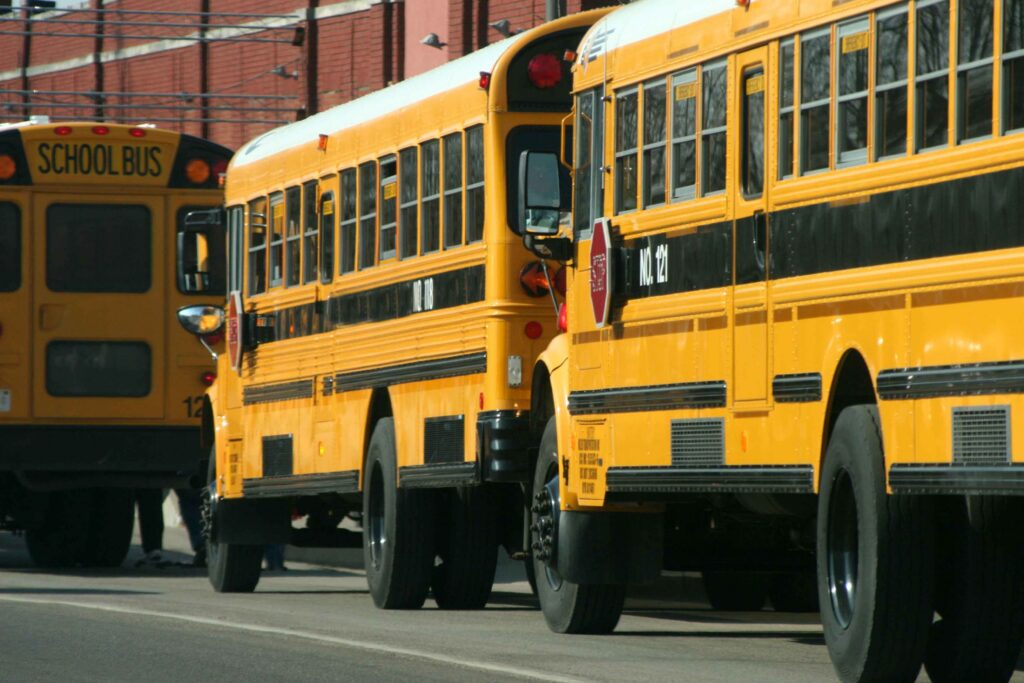
A: Why is Jack at the shop?
B: He has to fix the engines of two school buses today.
A: ¿Por qué está Jack en el taller?
B: Tiene que reparar los motores de dos autobuses escolares hoy.

7.
A: Does Bridget have to answer all the phone calls?
B: Yes, she does. She is the receptionist of the clinic.
A: ¿Bridget tiene que contestar todas las llamadas telefónicas?
B: Sí, tiene que contestarlas. Ella es la recepcionista de la clínica.

8.
A: Does the waitress have to serve the dinner now?
B: Yes, she does. The customers are waiting in the restaurant.
A: ¿La mesera tiene que servir la cena ahora?
B: Sí, tiene que servirla. Los clientes están esperando en el restaurante.

9.
A: Do you have to answer all the emails now?
B: No, I don’t. I can finish them tomorrow morning.
A: ¿Tienes que contestar todos los correos electrónicos ahora?
B: No, no tengo que hacerlo. Puedo terminarlos mañana por la mañana.
10.
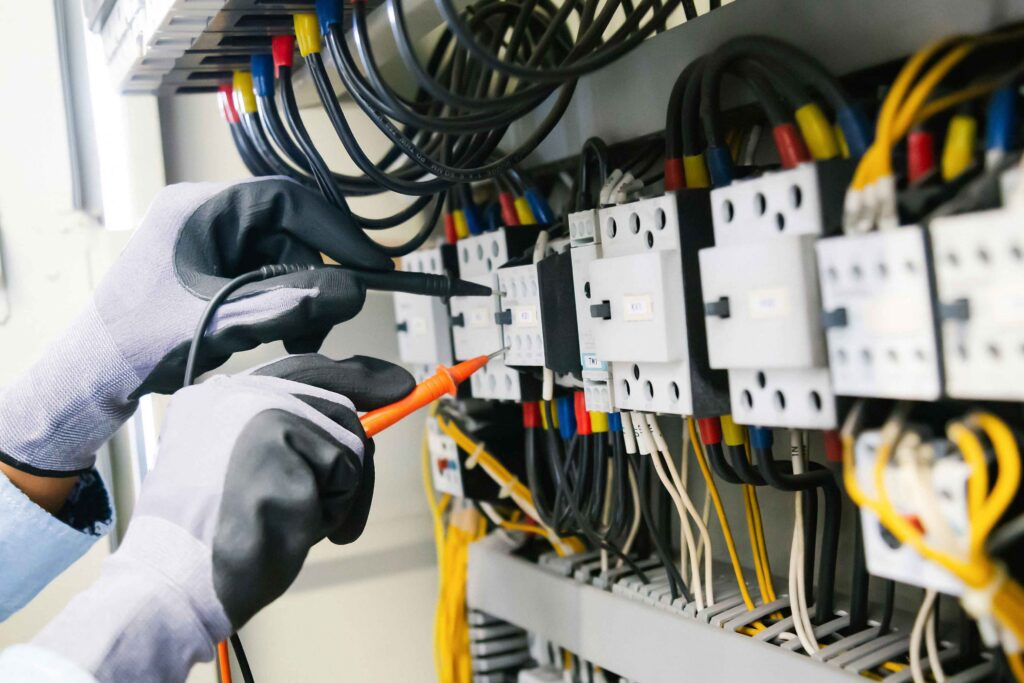
A: Why is the electrician at the building now?
B: He has to check the wires on the second floor.
A: ¿Por qué está el electricista en el edificio ahora?
B: Tiene que revisar los cables del segundo piso.

11.
A: Does the reporter have to cover the news tonight?
B: No, he doesn’t. He finished his work two hours ago.
A: ¿El reportero tiene que cubrir las noticias esta noche?
B: No, no tiene que hacerlo. Terminó su trabajo hace dos horas.

12.
A: Does your teacher have to clean the classroom after the lesson?
B: No, she doesn’t. The janitor does that.
A: ¿Tu maestra tiene que limpiar el salón de clases después de la lección?
B: No, no tiene que hacerlo. El conserje hace eso.
13.
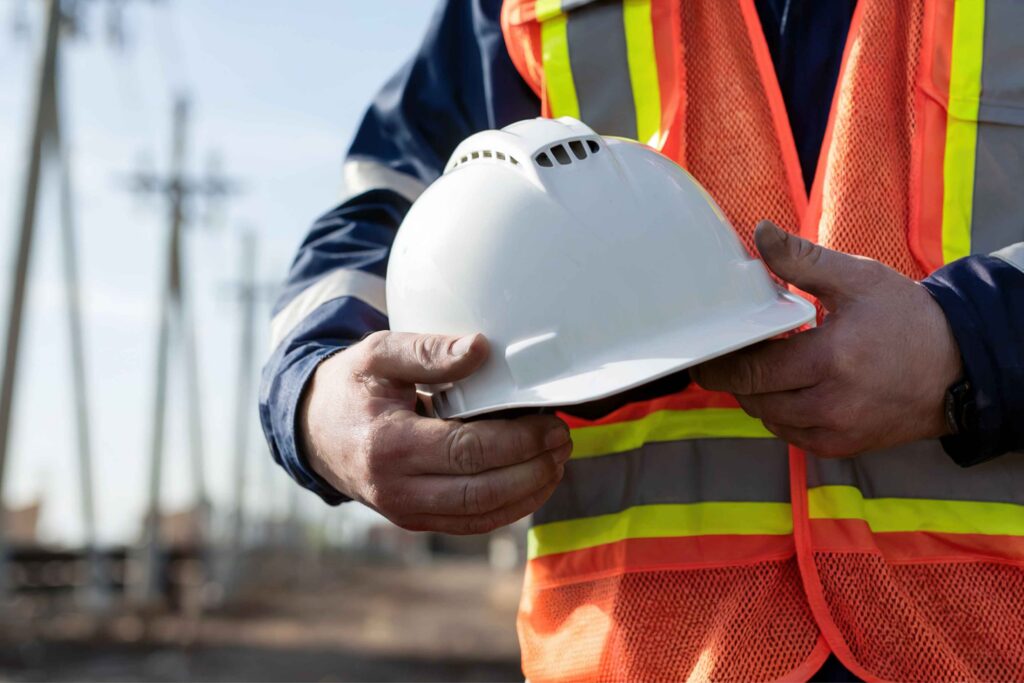
A: Do the construction workers have to wear helmets?
B: Yes, they do. It is a safety rule.
A: ¿Los trabajadores de construcción tienen que usar cascos?
B: Sí, tienen que usarlos. Es una regla de seguridad.

14.
A: Why is the farmer in the field early?
B: He has to water the crops before the sun is strong.
A: ¿Por qué está el agricultor en el campo temprano?
B: Tiene que regar los cultivos antes de que el sol esté fuerte.

15.
A: Do the store clerks have to check the inventory today?
B: Yes, they do. New products arrived this morning.
A: ¿Los empleados de la tienda tienen que revisar el inventario hoy?
B: Sí, tienen que revisarlo. Llegaron productos nuevos esta mañana.
16.
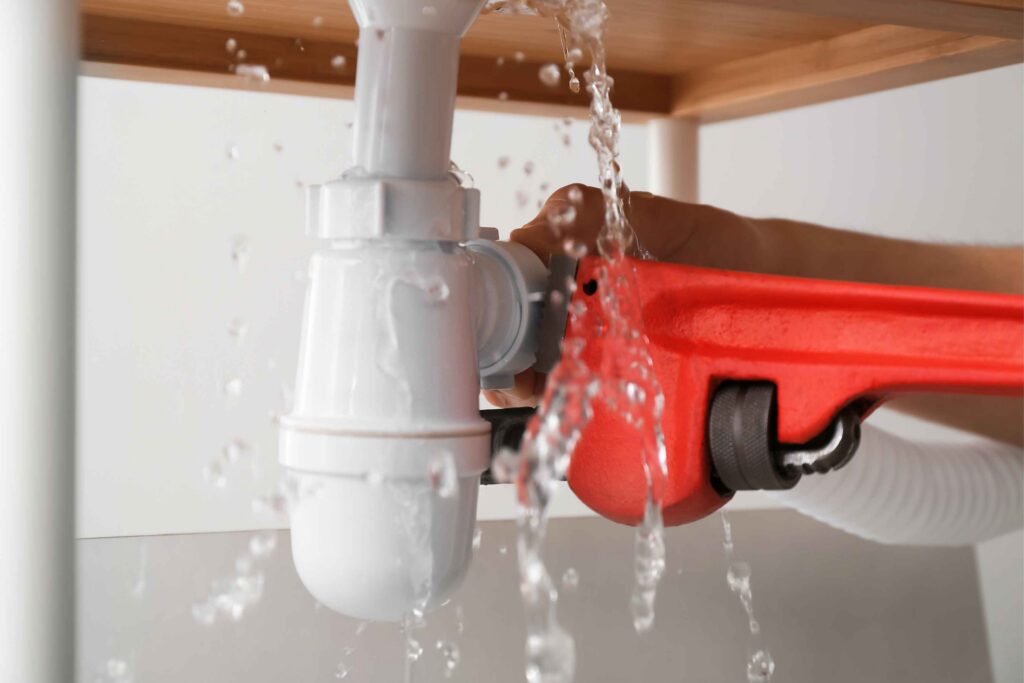
A: Why is the plumber at the house now?
B: He has to fix a water leak in the kitchen.
A: ¿Por qué está el plomero en la casa ahora?
B: Tiene que reparar una fuga de agua en la cocina.
✅ Right or Wrong?
Lee las oraciones y decide si están correctas (right) o si están incorrectas (wrong).
Regresa a la Unidad 12
Haz clic AQUÍ para regresar a las lecciones de la Unidad 12.
Regresa al Curso
Haz clic AQUÍ para regresar a la página principal del curso.