

Irregular Verbs: Lesson 4
🎥 Video:
📚 Study Guide:
📚 Printable Cards:
¿Prefieres practicar con material físico?
Descarga, imprime y recorta las tarjetas. Luego, empareja cada tarjeta con imagen y significado en español con la tarjeta que muestra las tres formas del verbo en inglés.
Puedes mezclarlas y repetir la actividad varias veces para reforzar el reconocimiento de cada verbo.
🎧 Study Cards with Audio:
Escucha los audios y repite en voz alta.
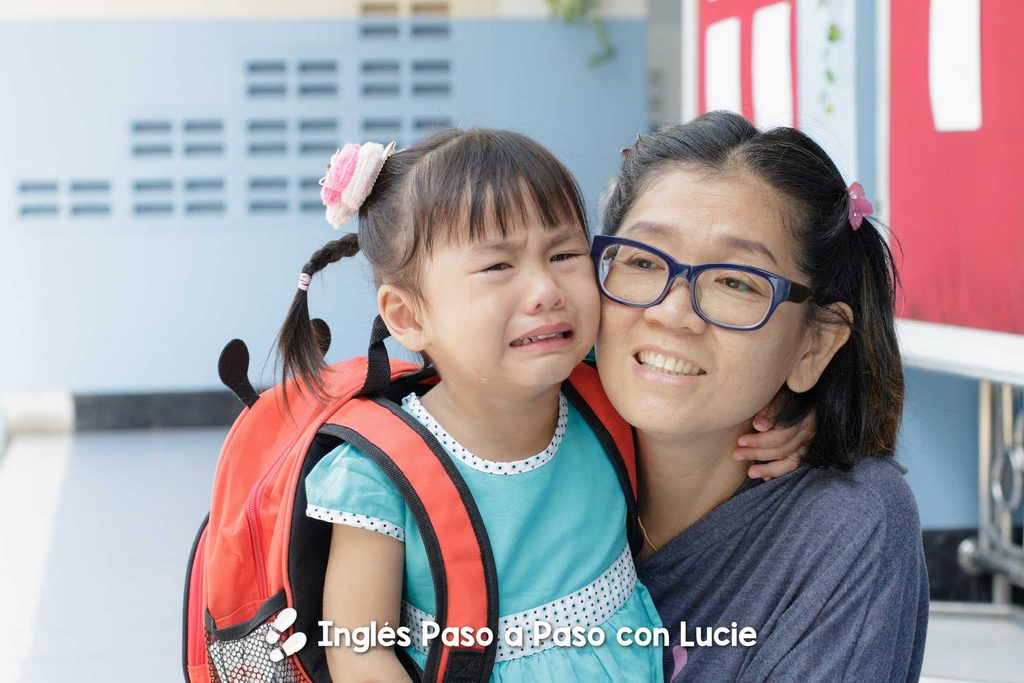
25. cling / clung / clung
Young children often cling to their parents on the first day of school.
The little girl clung to her mother and refused to go inside.
That same child has clung to her every morning this week.
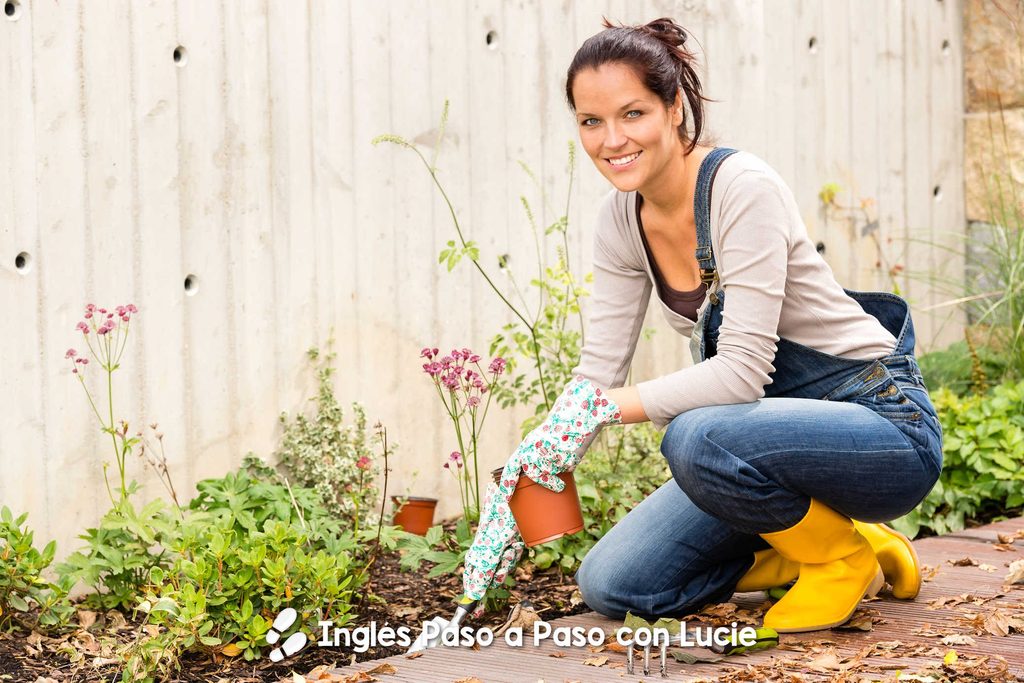
26. dig / dug / dug
Clara always digs carefully when she plants something new.
She dug a large hole in the yard for the oak tree.
Clara has dug three holes today, but she’s still not done.
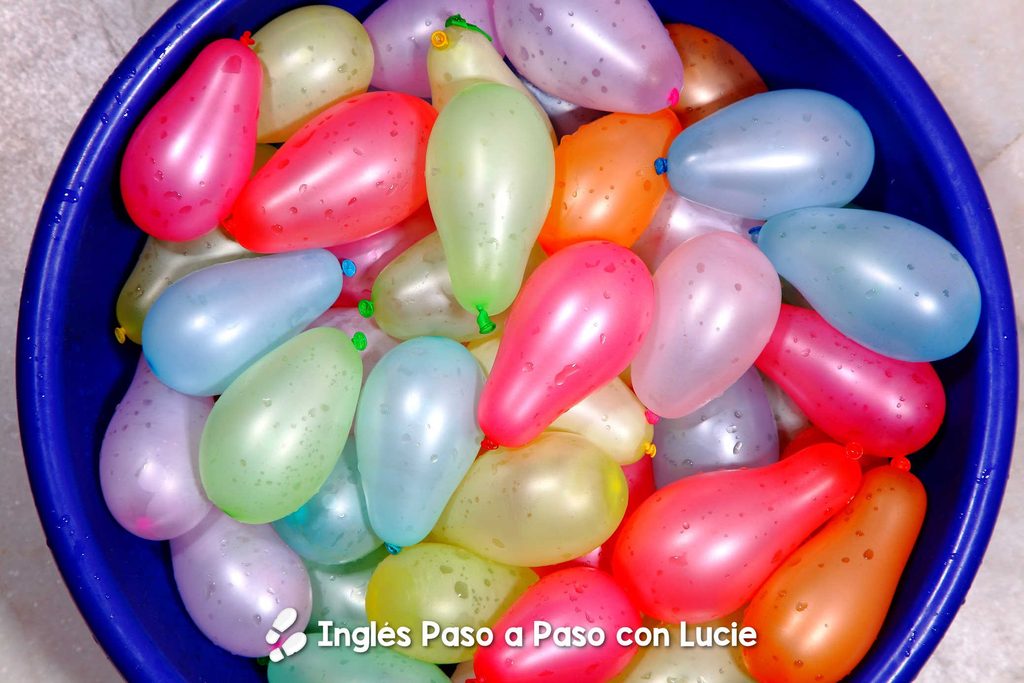
27. fling / flung / flung
Children love to fling water balloons across the yard.
One of them flung a balloon so hard it hit the tree.
They’ve flung balloons every afternoon this summer.
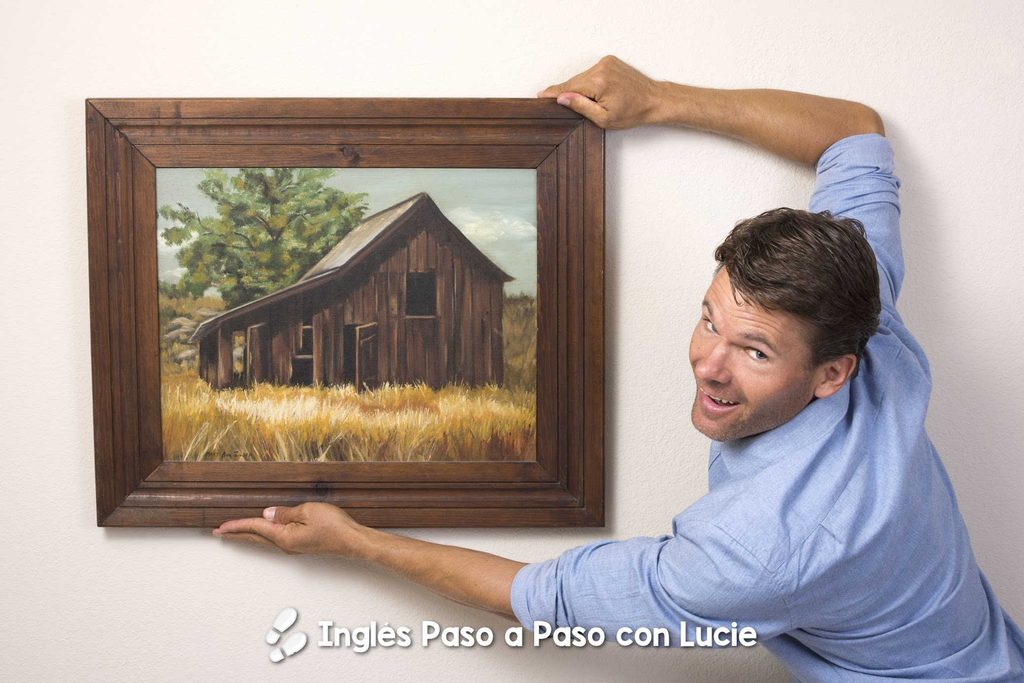
28. hang / hung / hung
Alex always hangs new paintings in the living room himself.
He hung two large frames above the sofa yesterday.
Alex has hung five paintings this month.
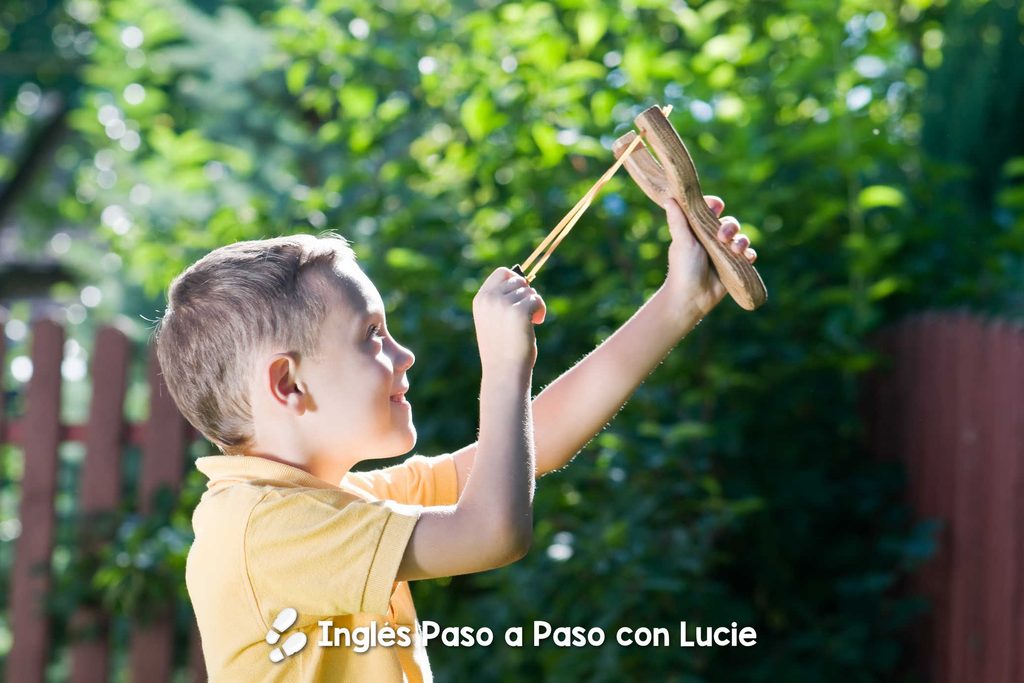
29. sling / slung / slung
The boy slings small rocks at cans for fun.
He slung one too far and broke a window yesterday.
That same boy has slung rocks in the field all summer.
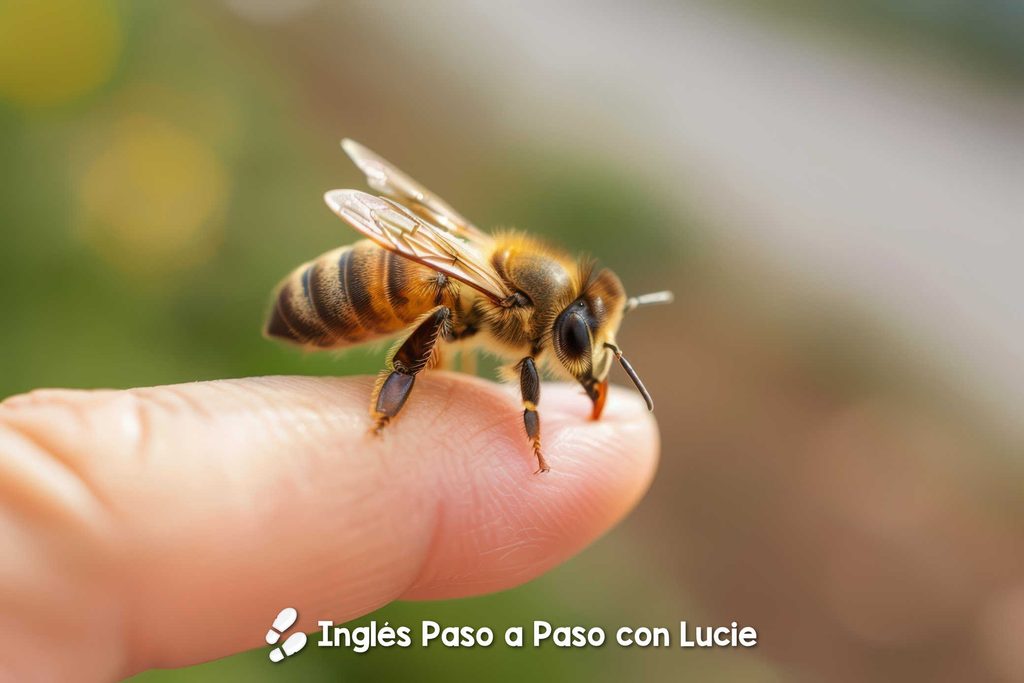
30. sting / stung / stung
Bees sometimes sting people who get too close.
A bee stung Rachel while she was watering the flowers.
She has been stung twice this month in her garden.
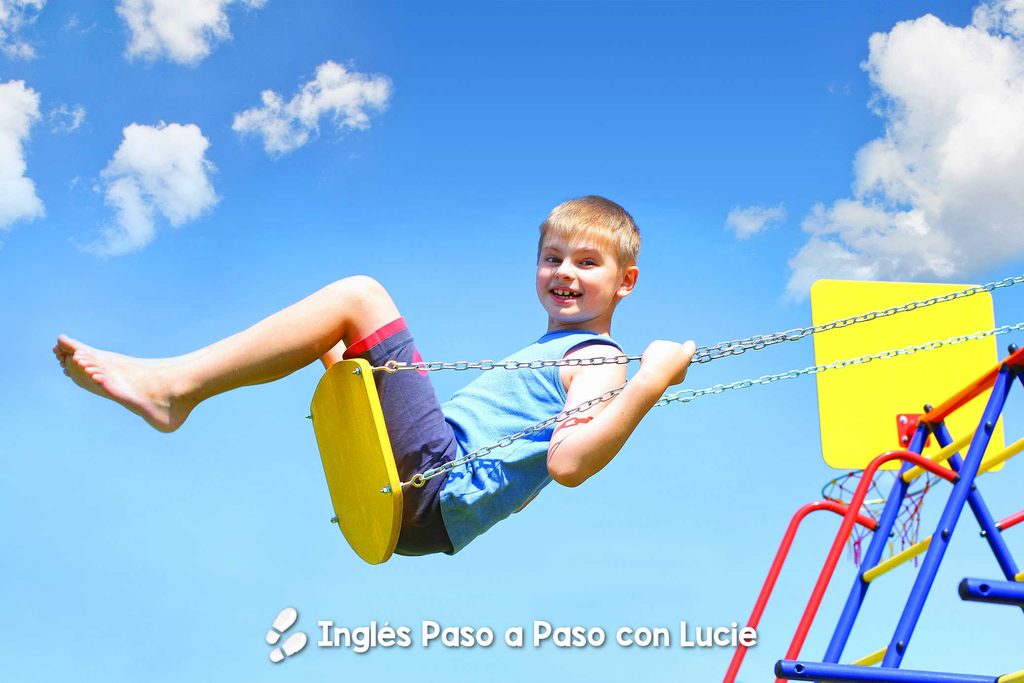
31. swing / swung / swung
Ethan loves to swing as high as he can at the park.
He swung back and forth for almost an hour yesterday.
Ethan has swung on that swing every afternoon this week.
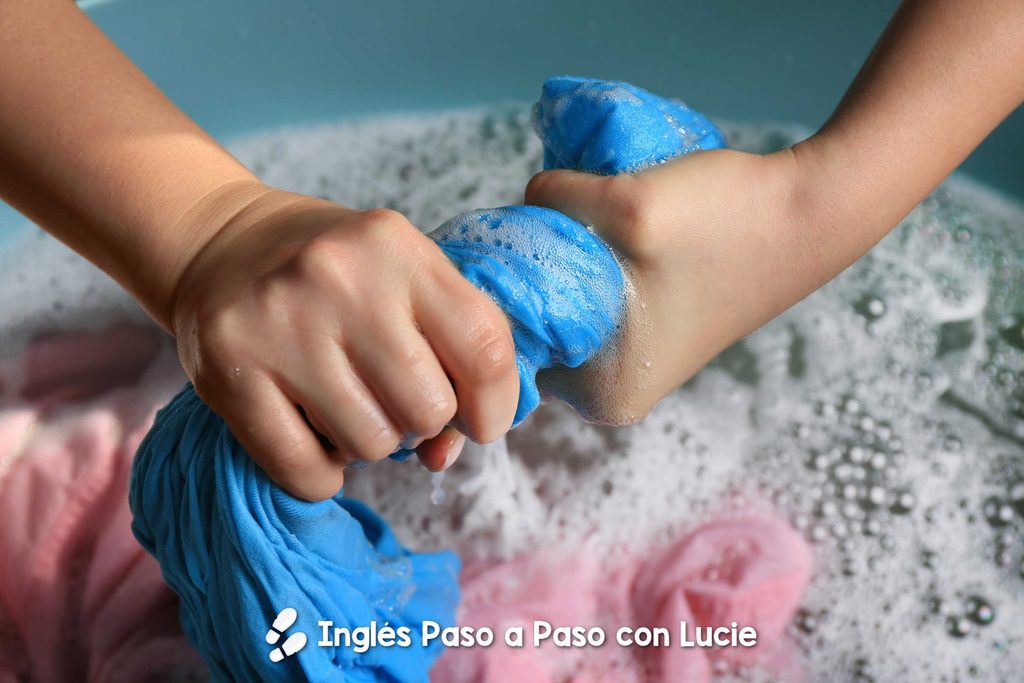
32. wring / wrung / wrung
Mia always wrings the clothes before hanging them to dry.
She wrung every shirt by hand this morning.
Mia has wrung all the laundry without using a machine.

33. stick / stuck / stuck
This old door sticks when it gets humid.
It stuck again this morning, and I couldn’t open it.
That same door has stuck every day this week.
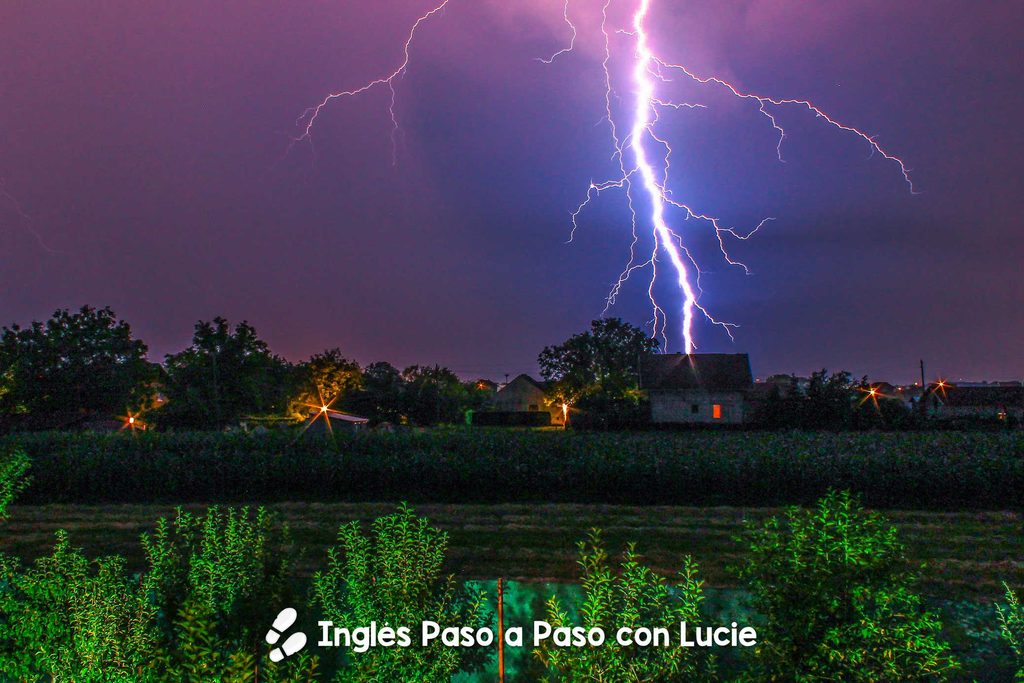
34. strike / struck / struck
Lightning often strikes trees during big storms.
A bolt struck the tree next to their house last night.
Lightning has struck near that neighborhood several times.

35. sit / sat / sat
Nora always sits on the same bench to read in the park.
She sat there for almost two hours yesterday.
Nora has sat on that bench every afternoon this week.
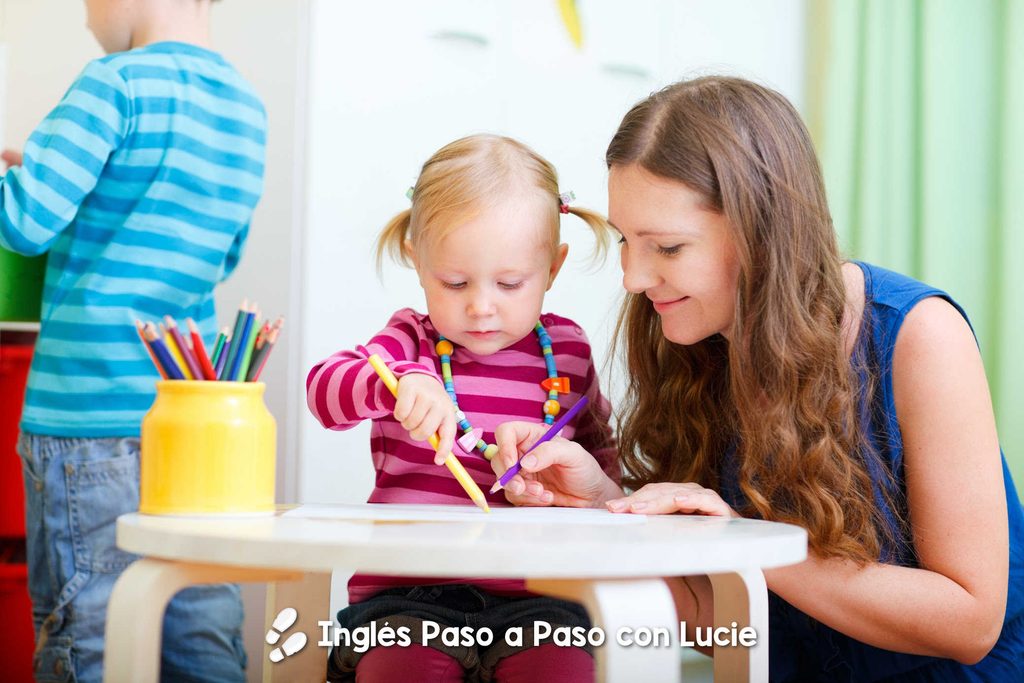
36. babysit / babysat / babysat
Amy often babysits for the neighbors on weekends.
She babysat their kids last Saturday from 5 to 10 p.m.
Amy has babysat for that family many times this year.
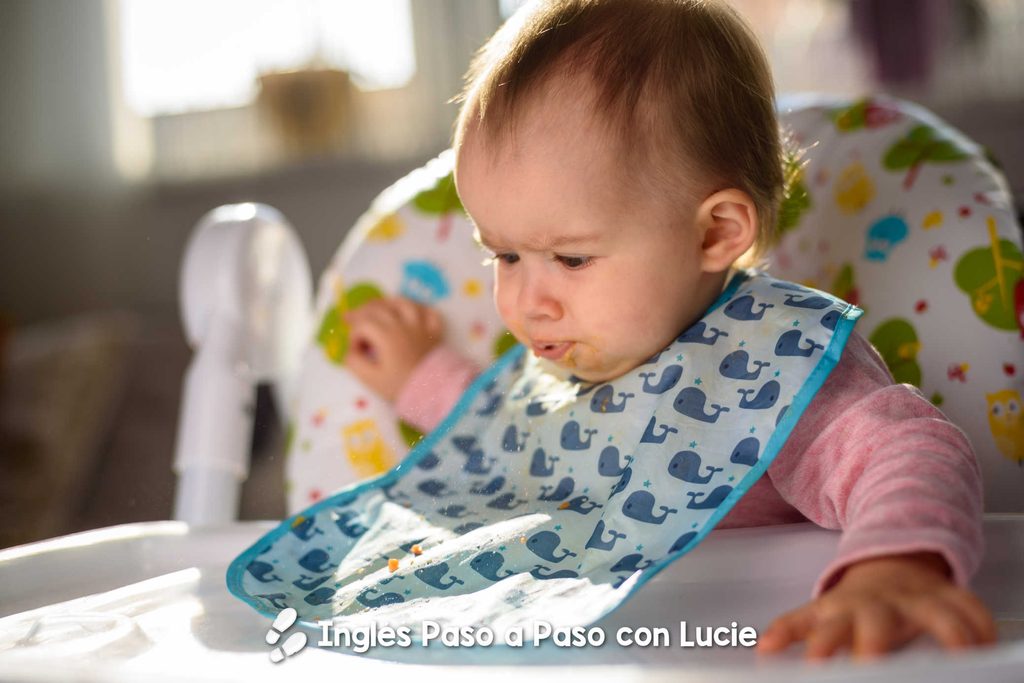
37. spit / spat / spat
Some toddlers spit food when they don’t like the taste.
Jake spat out his vegetables at dinner last night.
He has spat his food several times this week.
✅ Flashcards:
✅ Pair or No Pair?
- Escucha cada oración en inglés y decide si corresponde con el verbo que aparece en español.
- Selecciona «Pair» si la oración contiene una forma de ese verbo.
- Selecciona «No Pair» si no corresponde.
¿Tuviste dudas con alguna de las oraciones? Haz clic aquí.
1. During storms, the sailors cling to the ropes on the boat.
Durante las tormentas, los marineros se aferran a las cuerdas del barco.
2. My father dug a hole to plant a lemon tree.
Mi padre cavó un hoyo para plantar un limonero.
3. The children have flung snowballs across the playground all morning.
Los niños han lanzado bolas de nieve con fuerza por todo el área de juegos durante toda la mañana.
4. I hang my coat behind the classroom door.
Cuelgo mi abrigo detrás de la puerta del salón de clases.
5. A wasp has stung two people at the picnic today.
Una avispa ha picado a dos personas durante el picnic de hoy.
6. My little cousin swings at the playground after lunch.
Mi primo pequeño se columpia en el área de juegos después del almuerzo.
7. Laura wrung a wet towel over the bathtub.
Laura exprimió una toalla mojada sobre la bañera.
8. The bathroom door has stuck several times this week.
La puerta del baño se ha atascado varias veces esta semana.
9. The baseball player strikes the ball with his bat.
El jugador de béisbol golpea la pelota con su bate.
10. We sat on the grass to watch the fireworks.
Nos sentamos en el césped para ver los fuegos artificiales.
11. Nina has babysat her niece several times this month.
Nina ha cuidado a su sobrina varias veces este mes.
12. Llamas spit when they feel threatened.
Las llamas escupen cuando se sienten amenazadas.
✅ Spell the Word:
- Escucha cada oración.
- Identifica el verbo que escuchas y usa las letras disponibles para escribirlo correctamente.
- Escribe únicamente el verbo.
¿Tuviste dudas con alguna de las oraciones? Haz clic aquí.
1. Jellyfish sometimes sting swimmers near the shore.
Las medusas a veces pican a los nadadores cerca de la orilla.
2. Daniel hung a calendar beside his desk yesterday.
Daniel colgó un calendario junto a su escritorio ayer.
3. We have sat in the front row at several school plays.
Nos hemos sentado en la primera fila en varias obras de teatro escolares.
4. My sister flings her backpack onto the couch after school.
Mi hermana lanza su mochila con fuerza sobre el sofá después de clases.
5. The child spat out the cough medicine because it tasted bitter.
El niño escupió el medicamento para la tos porque tenía un sabor amargo.
6. The workers have dug a deep hole near the bridge.
Los trabajadores han cavado un hoyo profundo cerca del puente.
7. My neighbor babysits two children on Friday nights.
Mi vecina cuida a dos niños los viernes por la noche.
8. A falling branch struck our fence during the storm.
Una rama que cayó golpeó nuestra cerca durante la tormenta.
9. I’ve wrung out the mop twice while cleaning the hallway.
He exprimido el trapeador dos veces mientras limpiaba el pasillo.
10. The little boy clung to his father’s hand in the crowded market.
El niño pequeño se aferró a la mano de su padre en el mercado lleno de gente.
11. The kitchen drawer sticks when the weather is humid.
El cajón de la cocina se atasca cuando el clima está húmedo.
12. The boys have slung small stones into the river all afternoon.
Los niños han lanzado piedras pequeñas al río durante toda la tarde.
13. I swung on a rope swing at my grandparents’ house.
Me columpié en un columpio de cuerda en la casa de mis abuelos.
✅ Speak the Words:
- Lee la oración y escucha el audio.
- Haz clic en el botón “Presione para hablar” y repite en voz alta únicamente el verbo irregular.
- Luego verifica tu respuesta y vuelve a intentarlo si es necesario.
- No te preocupes si no entiendes todas las palabras. Por ahora enfócate únicamente en los verbos irregulares.
- Esta actividad funciona mejor en Chrome.
¿Tuviste dudas con alguna de las oraciones? Haz clic aquí.
1. My nephew has clung to his favorite toy all day.
Mi sobrino se ha aferrado a su juguete favorito todo el día.
2. Our dog digs in the garden whenever we leave him alone.
Nuestro perro cava en el jardín cada vez que lo dejamos solo.
3. The wind flung the open umbrella across the street.
El viento lanzó con fuerza el paraguas abierto al otro lado de la calle.
4. They have hung colorful lights around the patio.
Ellos han colgado luces de colores alrededor del patio.
5. The goalkeeper slings the ball across the field.
El portero lanza la pelota con fuerza al otro lado del campo.
6. A bee stung my brother while we were camping.
Una abeja picó a mi hermano mientras estábamos acampando.
7. The twins have swung on the new playground swings several times.
Los gemelos se han columpiado varias veces en los nuevos columpios del área de juegos.
8. I wring the water out of the dishcloth after washing dishes.
Exprimo el agua del trapo de cocina después de lavar los platos.
9. The zipper on my suitcase stuck just before our flight.
El cierre de mi maleta se atascó justo antes de nuestro vuelo.
10. Strong waves have struck the rocks along the coast all morning.
Las olas fuertes han golpeado las rocas a lo largo de la costa durante toda la mañana.
11. My grandmother sits by the window to knit.
Mi abuela se sienta junto a la ventana para tejer.
12. Owen babysat his younger sister while their parents went shopping.
Owen cuidó a su hermana menor mientras sus padres fueron de compras.
13. The baby has spat out her food several times today.
La bebé ha escupido su comida varias veces hoy.
✅ Find the Match:
Lee cada oración y elige la traducción del verbo correspondiente.
✅ Fill in the Blanks: The Backyard Adventure
¿Tuviste dudas con alguna de las oraciones? Haz clic aquí.
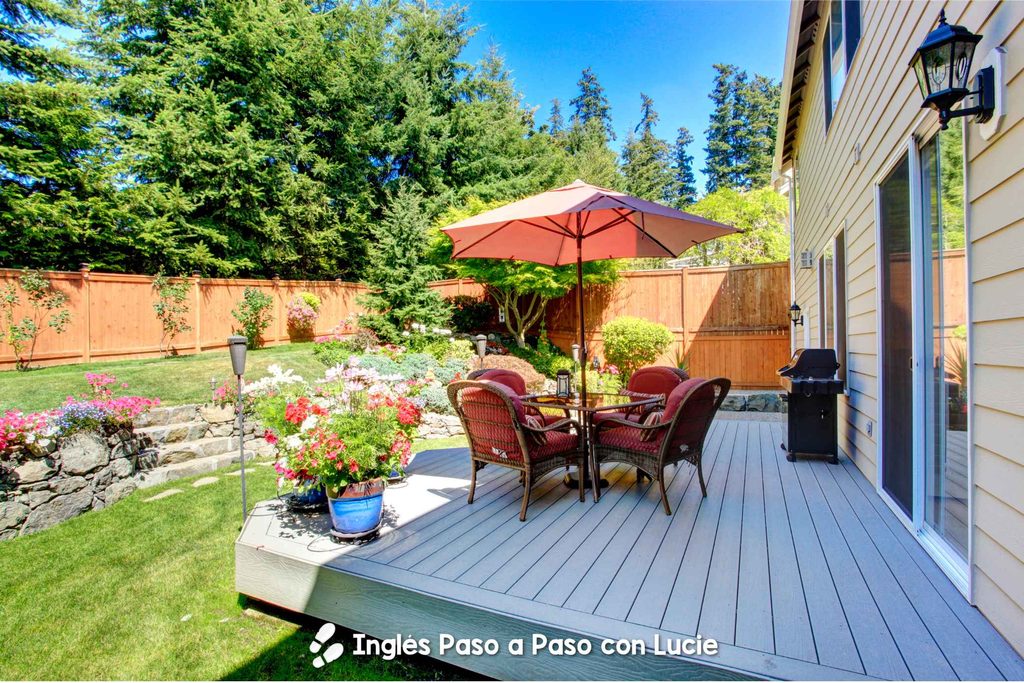
Last Saturday, Ben babysat his little cousin, Lily. In the backyard, he hung a swing from a big tree. Lily swung so high that she clung to the rope with both hands.
El sábado pasado, Ben cuidó a su prima pequeña, Lily. En el patio trasero, colgó un columpio de un árbol grande. Lily se columpió tan alto que se aferró a la cuerda con ambas manos.
After a while, Lily sat on the grass and dug a hole with a spoon. She slung a handful of mud at the fence and laughed. Then she tried a wild berry and spat it out right away. «Yuck!» she said.
Después de un rato, Lily se sentó en el césped y cavó un hoyo con una cuchara. Lanzó un puñado de lodo contra la cerca y se rio. Luego probó una baya silvestre y la escupió inmediatamente. «¡Qué asco!», dijo.
Suddenly, a bee stung Ben on the arm. He flung his hat on the ground and ran to the kitchen, but the back door stuck. He pushed hard, and his shoulder struck the door. Finally, it opened. Ben wrung out a cold wet towel and put it on his arm. Lily brought him a glass of juice, and they both felt better.
De repente, una abeja picó a Ben en el brazo. Él lanzó su sombrero al suelo con fuerza y corrió hacia la cocina, pero la puerta trasera se atascó. Empujó con fuerza y su hombro golpeó la puerta. Finalmente, la puerta se abrió. Ben exprimió una toalla mojada con agua fría y se la puso en el brazo. Lily le trajo un vaso de jugo y ambos se sintieron mejor.
✅ Graba tu pronunciación:
- Grábate leyendo los verbos y las oraciones en voz alta. Usa el botón para grabar tu voz.
- Después, escucha tu grabación con atención. ¿Hay alguna palabra que debas practicar más?
- Puedes descargar el audio y repetir la grabación las veces que necesites.
✅ Quiz: Review
Antes de continuar, realiza este quiz para repasar los verbos que estudiaste en la lección anterior.
Regresa a la Serie de Verbos Irregulares
Haz clic en el botón para seguir aprendiendo más verbos irregulares.
Suscríbete a mi canal en YouTube
¿Te gustaría seguir practicando inglés conmigo?
Suscríbete al canal y activa las notificaciones.