

Irregular Verbs: Lesson 6
🎥 Video:
📚 Study Guide:
📚 Printable Cards:
¿Prefieres practicar con material físico?
Descarga, imprime y recorta las tarjetas. Luego, empareja cada tarjeta con imagen y significado en español con la tarjeta que muestra las tres formas del verbo en inglés.
Puedes mezclarlas y repetir la actividad varias veces para reforzar el reconocimiento de cada verbo.
🎧 Study Cards with Audio:
Escucha los audios y repite en voz alta.

49. lay / laid / laid
Hens need a quiet place to lay their eggs.
One of the hens laid an egg in the corner of the coop.
That same hen has laid one egg every morning this week.
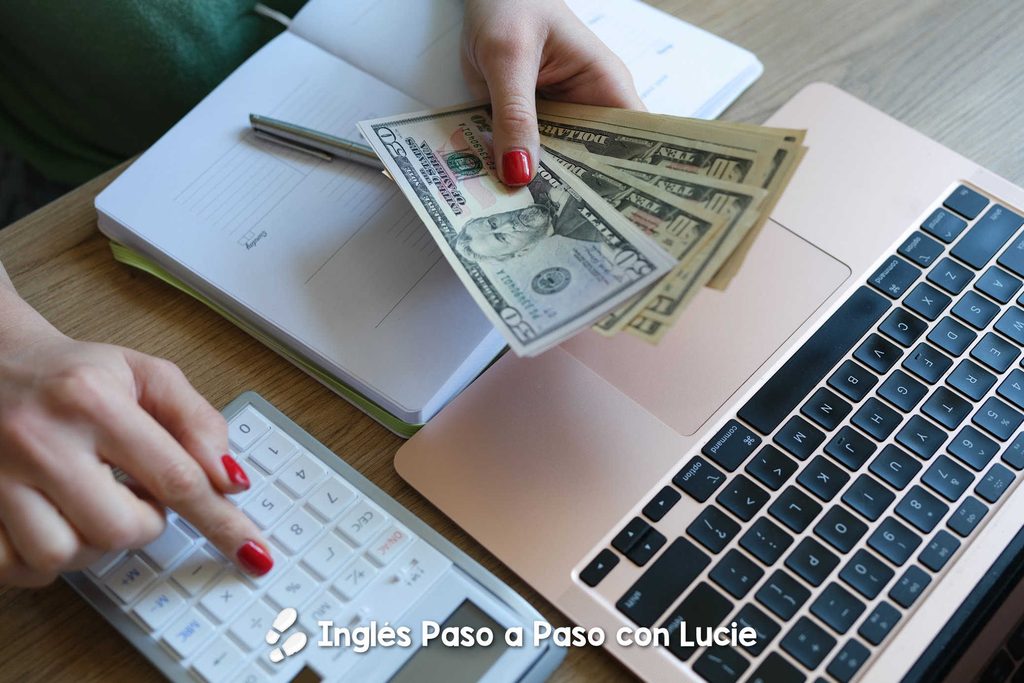
50. pay / paid / paid
Emma tries to pay all her bills before the due date.
She paid everything online last night.
Emma has paid her bills on time every month this year.

51. repay / repaid / repaid
Daniel wants to repay his friend as soon as possible.
He repaid him in full last Friday.
Daniel has repaid every cent he borrowed.
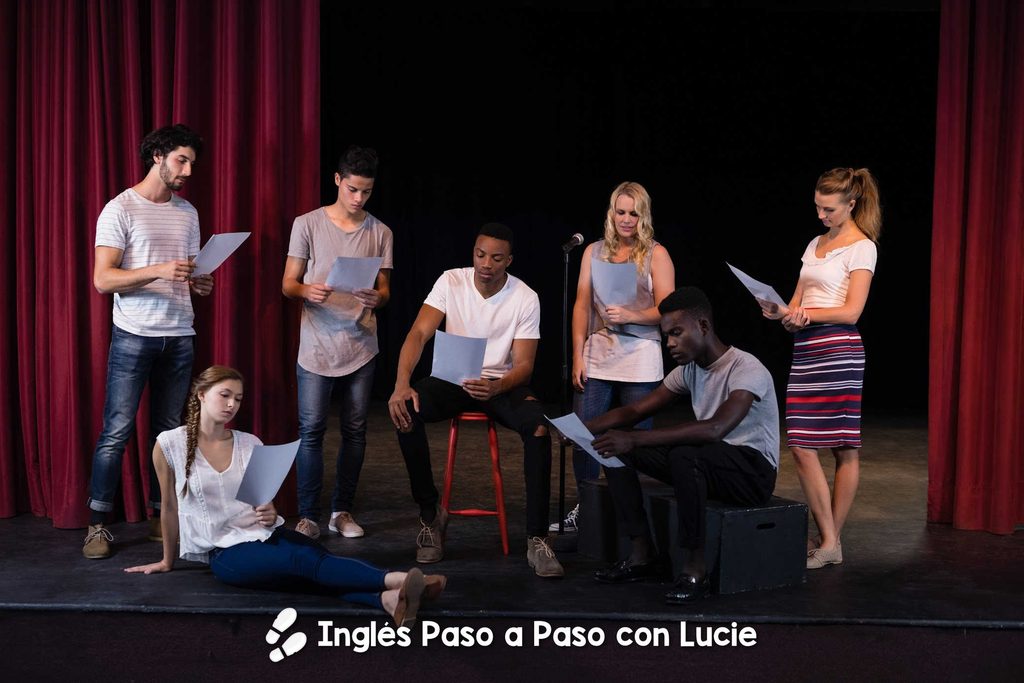
52. say / said / said
Sophie needs to say her lines clearly on stage.
She said every word with confidence during rehearsal.
Sophie has said her lines perfectly all week.
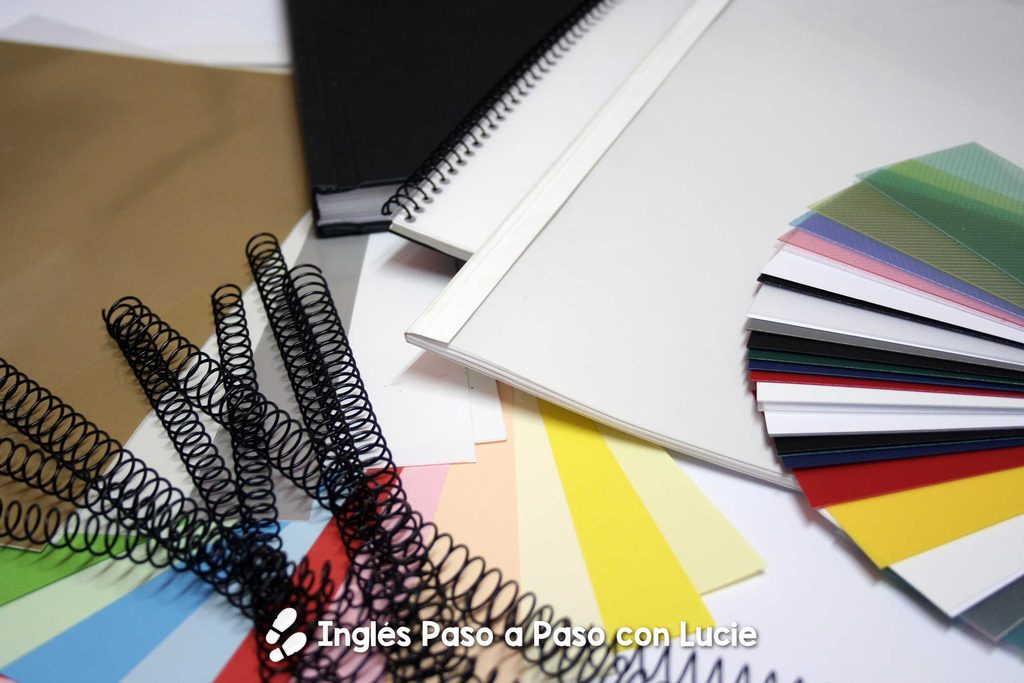
53. bind / bound / bound
Emily needs to bind all the reports before the meeting.
She bound everything neatly last night.
Emily has bound the monthly reports since January.
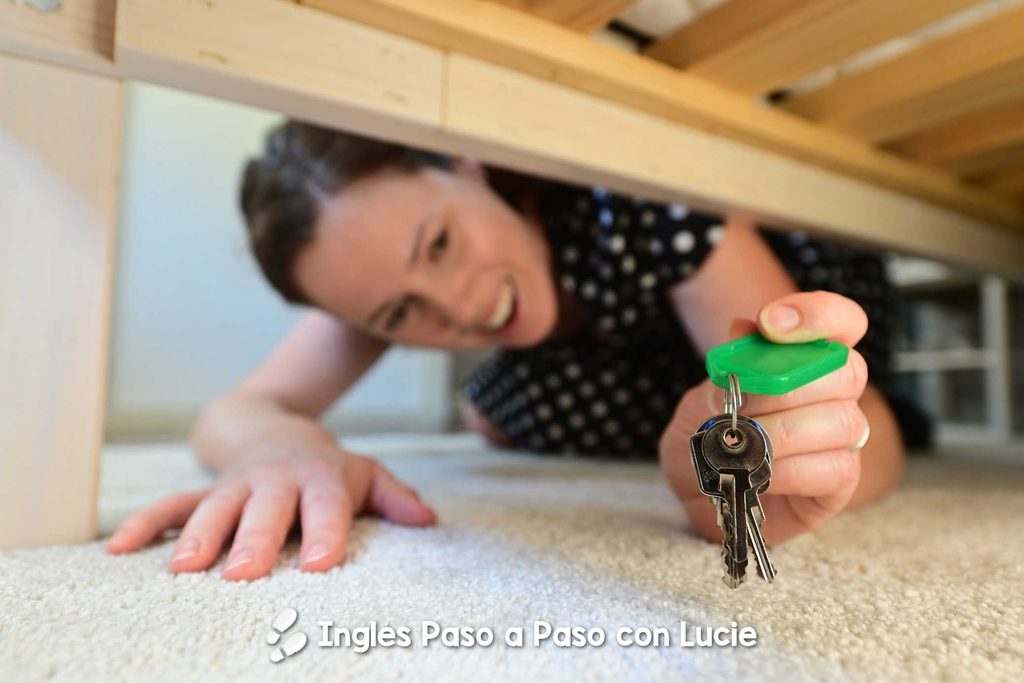
54. find / found / found
Olivia needs to find her keys before leaving for work.
She found them under the bed this morning.
Olivia has found her keys in strange places before.
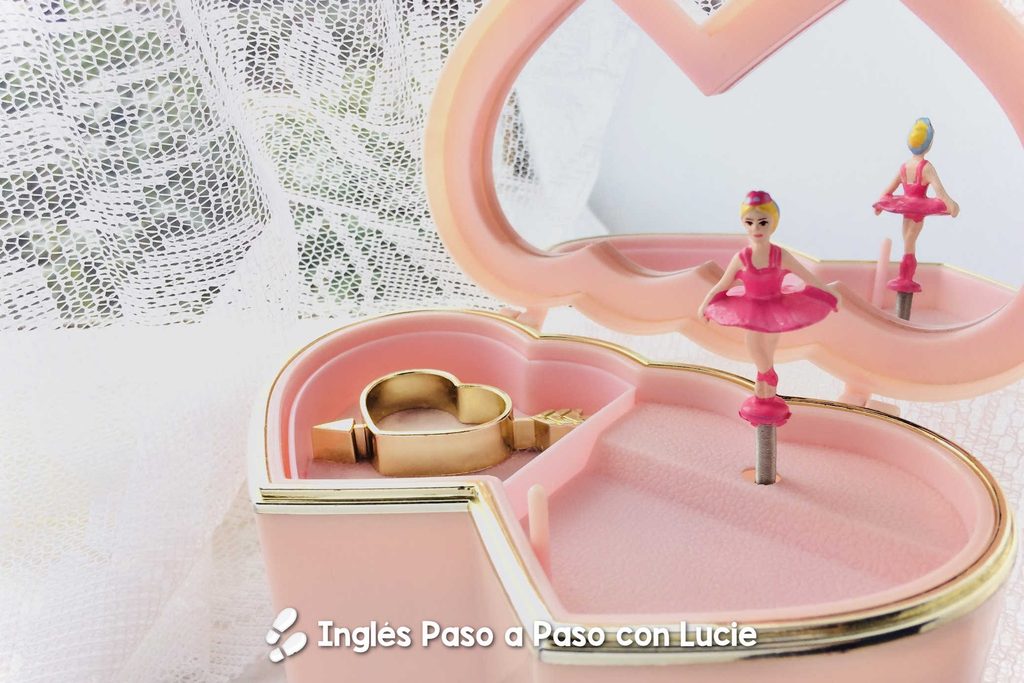
55. wind / wound / wound
Lily loves to wind her music box before going to bed.
She wound it gently last night and listened to the tune.
Lily has wound that music box almost every evening lately.
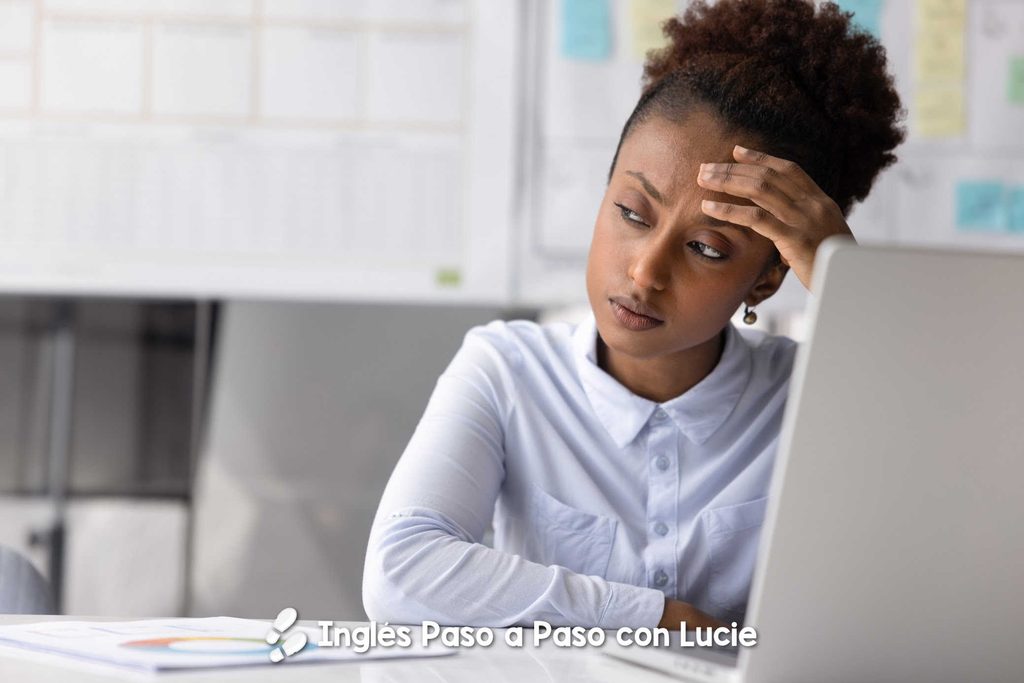
56. deal / dealt / dealt
Anna needs to deal with a difficult customer today.
She dealt with another complaint this morning.
Anna has dealt with many similar cases before.

57. feel / felt / felt
Julia hopes to feel calm before her presentation.
She felt really nervous this morning.
Julia has felt the same way before every big speech.
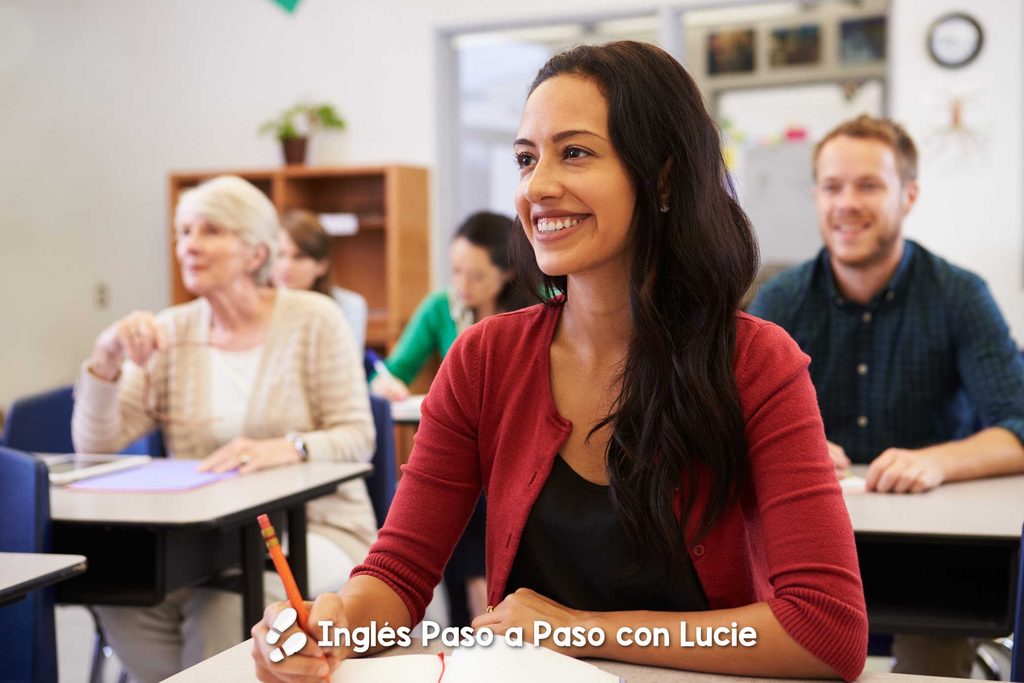
58. mean / meant / meant
Olivia wants to learn what those words mean in English.
That same word meant something totally different in the last lesson.
This expression has meant different things depending on how it’s used.

59. meet / met / met
Sarah hopes to meet interesting people at the conference.
She met several new colleagues at the welcome dinner.
Sarah has met professionals from all over the country this week.

60. leave / left / left
Mr. Jones plans to leave work early for his doctor’s appointment.
He left around noon yesterday to avoid traffic.
Mr. Jones has left early twice this week for medical reasons.
✅ Flashcards:
✅ Pair or No Pair?
- Escucha cada oración en inglés y decide si corresponde con el verbo que aparece en español.
- Selecciona «Pair» si la oración contiene una forma de ese verbo.
- Selecciona «No Pair» si no corresponde.
¿Tuviste dudas con alguna de las oraciones? Haz clic aquí.
1. The receptionist dealt with a difficult situation this morning.
La recepcionista trató con una situación difícil esta mañana.
2. Our hens lay brown eggs in the spring.
Nuestras gallinas ponen huevos marrones en primavera.
3. I’ve repaid my mother-in-law the money she lent me last winter.
Le he devuelto a mi suegra el dinero que me prestó el invierno pasado.
4. I met a famous chef at the food festival.
Conocí a un chef famoso en el festival gastronómico.
5. The instructor says a few words before each yoga class.
El instructor dice unas palabras antes de cada clase de yoga.
6. I’ve found several interesting recipes in my mother’s old cookbook.
He encontrado varias recetas interesantes en el viejo libro de cocina de mi madre.
7. I paid the parking fee at the machine yesterday.
Pagué la tarifa del estacionamiento en la máquina ayer.
8. Grandpa winds his antique wall clock every Sunday.
El abuelo le da cuerda a su antiguo reloj de pared todos los domingos.
9. I’ve felt a strange vibration in my car all week.
He sentido una vibración extraña en mi carro toda la semana.
10. What does the yellow symbol mean on this map?
¿Qué significa el símbolo amarillo en este mapa?
11. The print shop bound our travel brochures yesterday.
La imprenta encuadernó nuestros folletos turísticos ayer.
12. The bus has left the station late three times this week.
El autobús ha salido tarde de la estación tres veces esta semana.
✅ Spell the Word:
- Escucha cada oración.
- Identifica el verbo que escuchas y usa las letras disponibles para escribirlo correctamente.
- Escribe únicamente el verbo.
¿Tuviste dudas con alguna de las oraciones? Haz clic aquí.
1. We have bound all the wedding programs by hand.
Hemos encuadernado todos los programas de la boda a mano.
2. A sea turtle laid her eggs in the sand last night.
Una tortuga marina puso sus huevos en la arena anoche.
3. I feel the sand between my toes when I walk barefoot.
Siento la arena entre los dedos de mis pies cuando camino descalzo.
4. Grandma said something funny at the dinner table.
La abuela dijo algo gracioso durante la cena.
5. We’ve met many friendly people at the dog park this month.
Hemos conocido a muchas personas amigables en el parque para perros este mes.
6. Students repay their loans after graduation.
Los estudiantes devuelven el dinero de sus préstamos después de graduarse.
7. Laura wound the toy robot and watched it walk across the table.
Laura le dio cuerda al robot de juguete y lo vio caminar por la mesa.
8. My parents have paid for my daughter’s piano lessons this year.
Mis padres han pagado las clases de piano de mi hija este año.
9. The children find colorful stones along the riverbank.
Los niños encuentran piedras de colores a lo largo de la orilla del río.
10. The bell meant the end of the lesson at our old school.
La campana significaba el final de la clase en nuestra antigua escuela.
11. We leave the hotel before breakfast when we go hiking.
Salimos del hotel antes del desayuno cuando vamos de excursión.
12. Our team has dealt with three delivery problems this week.
Nuestro equipo ha tratado con tres problemas de entrega esta semana.
✅ Speak the Words:
- Lee la oración y escucha el audio.
- Haz clic en el botón “Presione para hablar” y repite en voz alta únicamente el verbo irregular.
- Luego verifica tu respuesta y vuelve a intentarlo si es necesario.
- No te preocupes si no entiendes todas las palabras. Por ahora enfócate únicamente en los verbos irregulares.
- Esta actividad funciona mejor en Chrome.
¿Tuviste dudas con alguna de las oraciones? Haz clic aquí.
1. Andrea found her missing earring under the car seat.
Andrea encontró su arete perdido debajo del asiento del carro.
2. My boss has said that the office will close early on Friday.
Mi jefe ha dicho que la oficina cerrará temprano el viernes.
3. I pay the electricity bill on the first of every month.
Pago la factura de electricidad el primer día de cada mes.
4. The robin has laid three eggs in the nest this week.
El petirrojo ha puesto tres huevos en el nido esta semana.
5. The manager deals with customer complaints politely.
El gerente trata las quejas de los clientes con cortesía.
6. Leo repaid the money he borrowed from his coworker.
Leo le devolvió a su compañero de trabajo el dinero que le había prestado.
7. The word «home» has meant different things to me over the years.
La palabra «hogar» ha significado diferentes cosas para mí a lo largo de los años.
8. I’ve wound this pocket watch every morning for years.
Le he dado cuerda a este reloj de bolsillo todas las mañanas durante años.
9. Rosa felt a drop of rain on her cheek.
Rosa sintió una gota de lluvia en la mejilla.
10. I meet new clients at the office every week.
Conozco a nuevos clientes en la oficina todas las semanas.
11. The passengers left the theater quietly after the show.
Los espectadores salieron del teatro en silencio después de la función.
12. The students bind their artwork into books for the school exhibition.
Los estudiantes encuadernan sus trabajos artísticos en libros para la exposición escolar.
✅ Find the Match:
Lee cada oración y elige la traducción del verbo correspondiente.
✅ Fill in the Blanks: Moving Day
¿Tuviste dudas con alguna de las oraciones? Haz clic aquí.
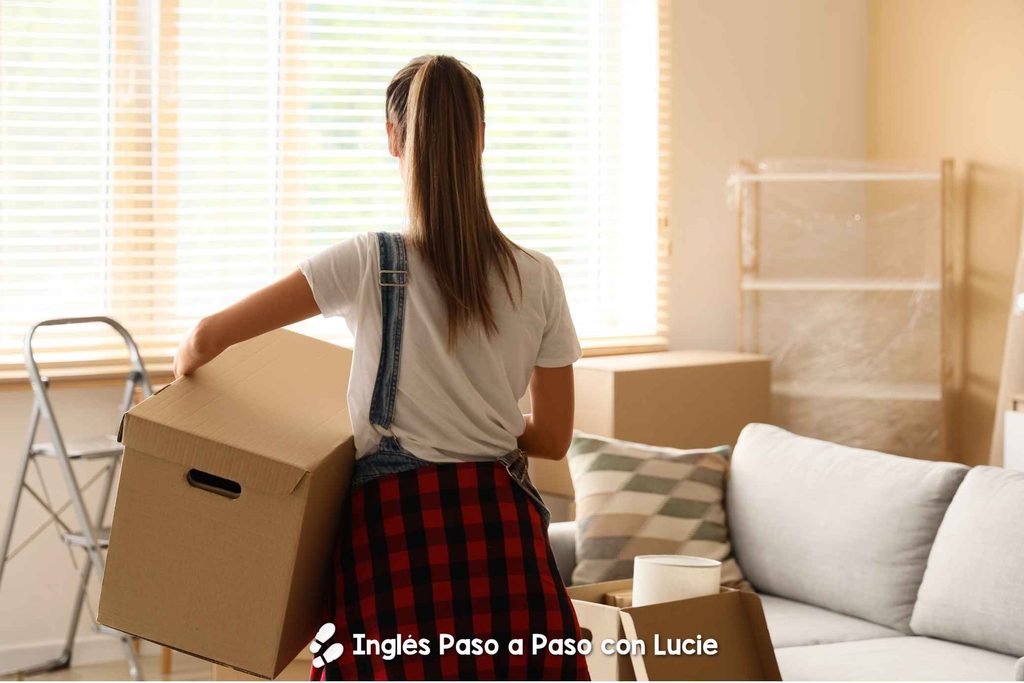
Last month, Sara moved to a new city for her job. She left her hometown at six in the morning and drove for five hours. When she arrived, she met her new neighbor, Tom, in the hallway. He held the door open and said, «Welcome to the building!»
El mes pasado, Sara se mudó a una nueva ciudad por su trabajo. Salió de su ciudad natal a las seis de la mañana y condujo durante cinco horas. Cuando llegó, conoció a su nuevo vecino, Tom, en el pasillo. Él le sostuvo la puerta abierta y dijo: «¡Bienvenida al edificio!»
The apartment was dusty, so Sara swept the floor first. Then she hung some pictures on the wall and sat on a box to rest. She felt tired but happy.
El apartamento estaba lleno de polvo, así que Sara primero barrió el piso. Luego colgó algunos cuadros en la pared y se sentó sobre una caja para descansar. Se sentía cansada, pero feliz.
Around noon, Tom brought her a sandwich and told her about a great market nearby. Sara thought she knew the way, but she misunderstood his directions and spent an hour walking in the wrong direction! Finally, she found the market and bought fruit, bread, and cheese. She paid with the last cash she had.
Alrededor del mediodía, Tom le trajo un sándwich y le contó sobre un excelente mercado cercano. Sara pensó que sabía cómo llegar, pero malinterpretó sus indicaciones y ¡pasó una hora caminando en la dirección equivocada! Finalmente, encontró el mercado y compró frutas, pan y queso. Pagó con el último dinero en efectivo que le quedaba.
That night, she made pasta, ate it on the floor, and slept like a baby. The next day, she repaid Tom’s kindness with a cup of coffee and caught the bus to work.
Esa noche, preparó pasta, se la comió sentada en el suelo y durmió como un bebé. Al día siguiente, le devolvió el favor a Tom con una taza de café y tomó el autobús para ir al trabajo.
✅ Graba tu pronunciación:
- Grábate leyendo los verbos y las oraciones en voz alta. Usa el botón para grabar tu voz.
- Después, escucha tu grabación con atención. ¿Hay alguna palabra que debas practicar más?
- Puedes descargar el audio y repetir la grabación las veces que necesites.
✅ Quiz: Review
Antes de continuar, realiza este quiz para repasar los verbos que estudiaste en la lección anterior.
Regresa a la Serie de Verbos Irregulares
Haz clic en el botón para seguir aprendiendo más verbos irregulares.
Suscríbete a mi canal en YouTube
¿Te gustaría seguir practicando inglés conmigo?
Suscríbete al canal y activa las notificaciones.