

Irregular Verbs: Lesson 8
🎥 Video:
📚 Study Guide:
📚 Printable Cards:
¿Prefieres practicar con material físico?
Descarga, imprime y recorta las tarjetas. Luego, empareja cada tarjeta con imagen y significado en español con la tarjeta que muestra las tres formas del verbo en inglés.
Puedes mezclarlas y repetir la actividad varias veces para reforzar el reconocimiento de cada verbo.
🎧 Study Cards with Audio:
Escucha los audios y repite en voz alta.

73. become / became / become
I want to become more confident when speaking English.
Over time, I became less afraid of making mistakes.
I’ve become more comfortable expressing myself in conversations.

74. come / came / come
My grandparents always come over on Sundays.
They came last weekend and brought homemade bread.
They’ve come every week since the beginning of the year.
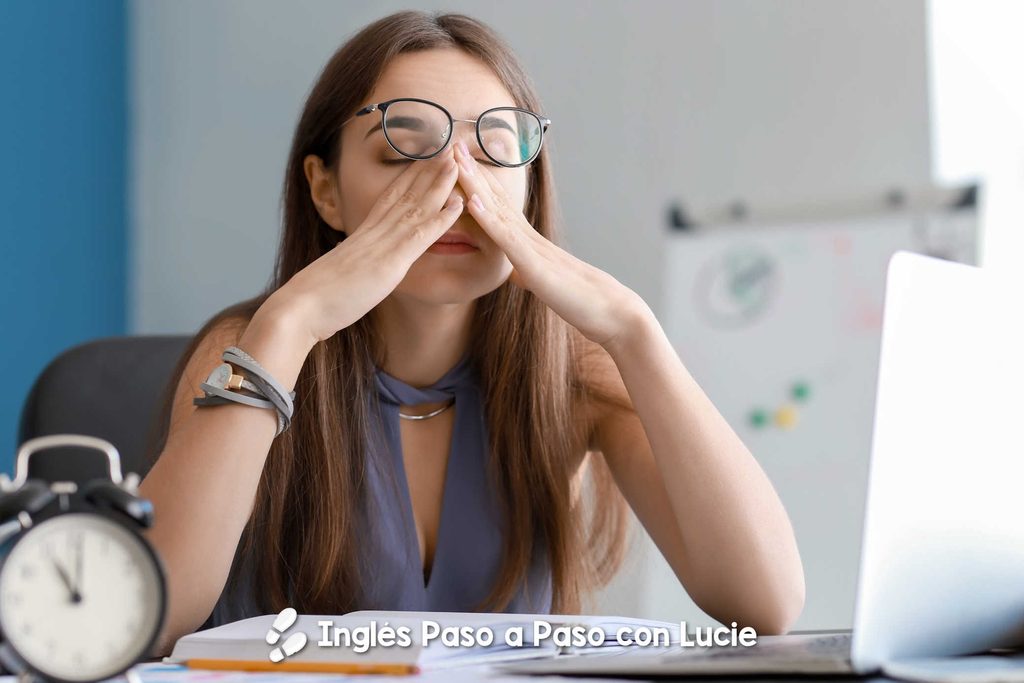
75. overcome / overcame / overcome
She’s doing her best to overcome personal challenges.
A few years ago, she overcame a very difficult situation.
She has overcome many obstacles to get where she is now.
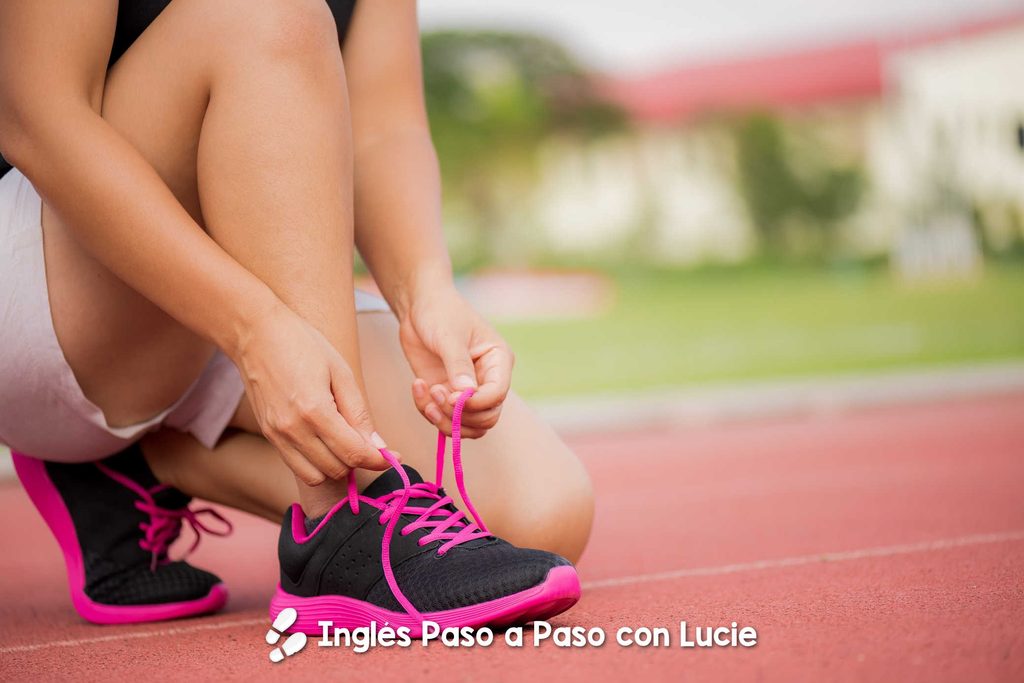
76. run / ran / run
I try to run at least three times a week.
Last weekend, I ran five kilometers without stopping.
I’ve run longer distances each month since I started training.
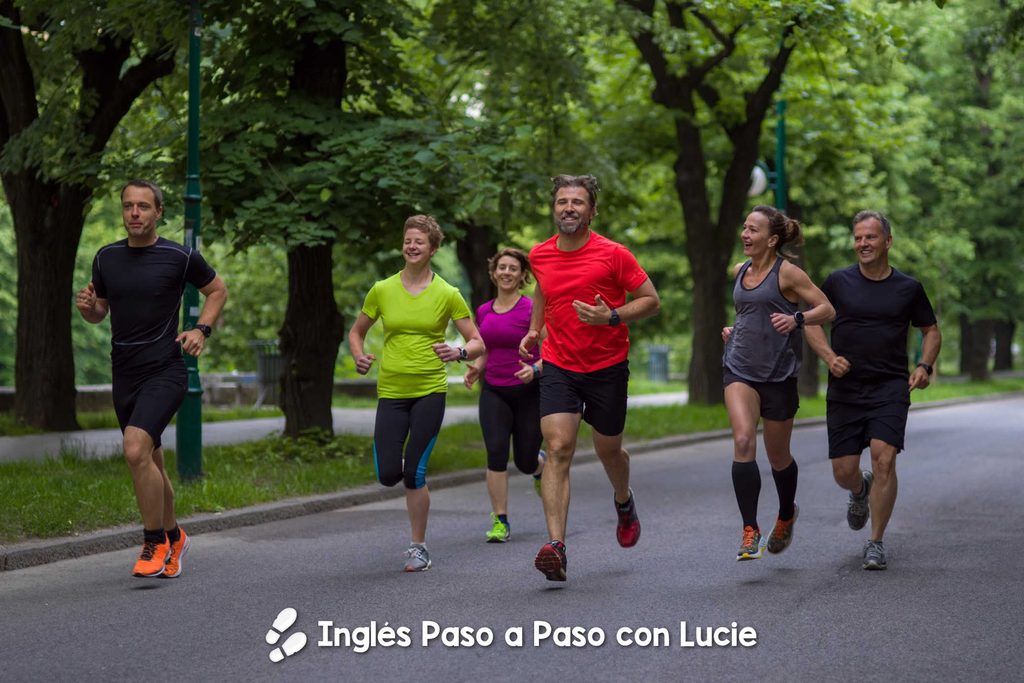
77. outrun / outran / outrun
I always try to outrun my friends during practice.
Last Friday, I outran everyone on the last lap.
I’ve outrun most of them several times this year.

78. begin / began / begun
We plan to begin the new project next Monday.
We began the initial phase last week.
We’ve already begun organizing the team and setting deadlines.
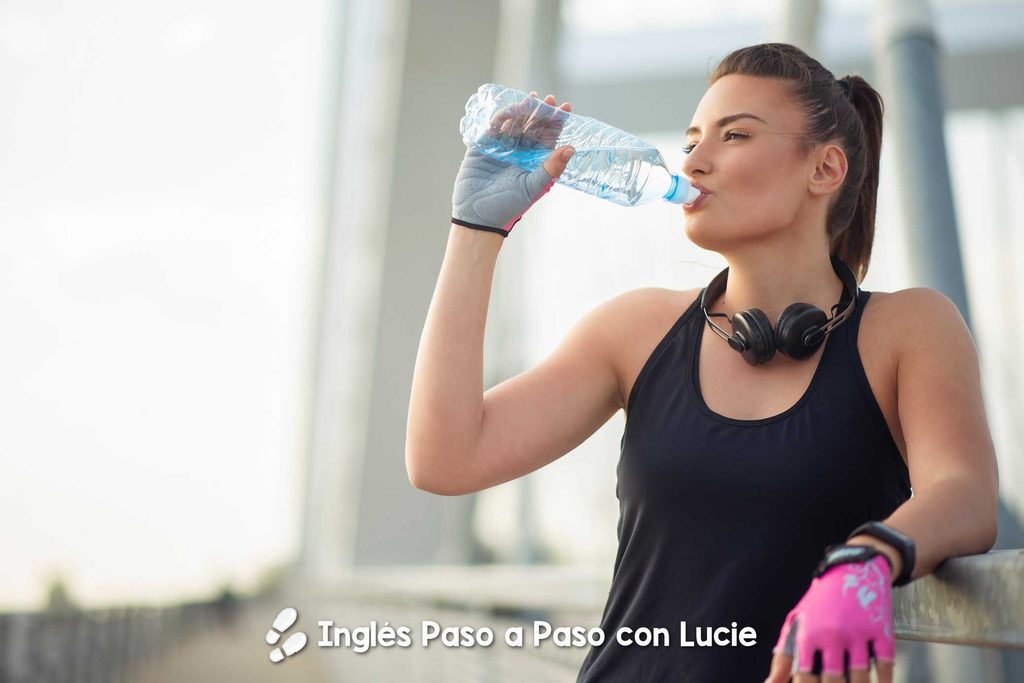
79. drink / drank / drunk
I always drink water before and after my workouts.
Yesterday, I drank almost two liters after running.
I’ve drunk more water this week than I usually do.

80. ring / rang / rung
The phone always seems to ring when I’m busy.
It rang three times during the meeting.
That same number has rung every morning this week.
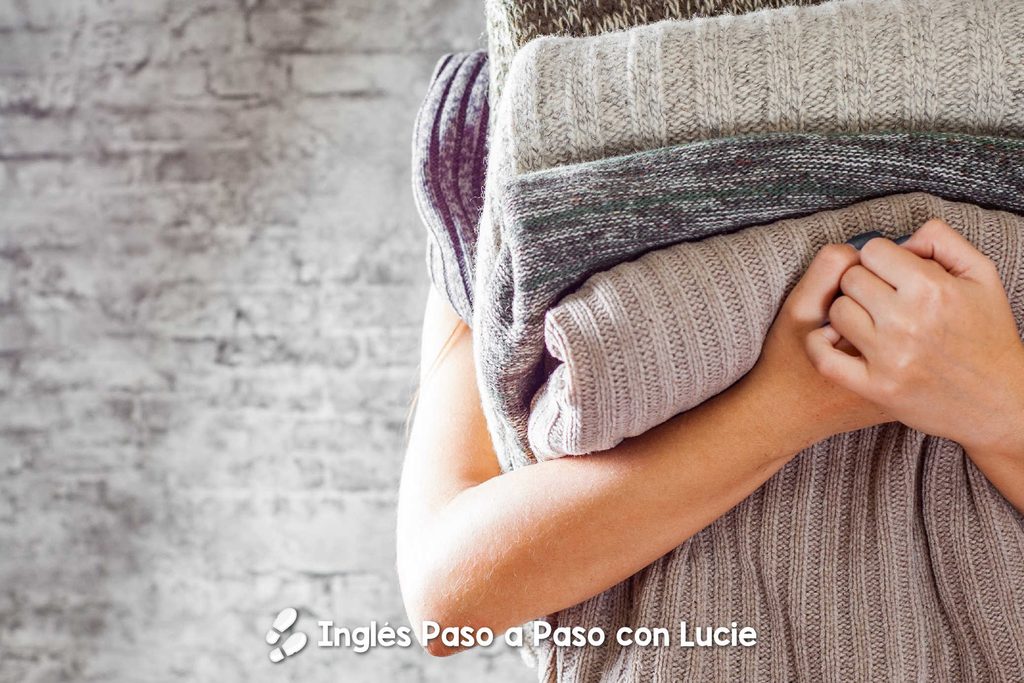
81. shrink / shrank / shrunk
I hope this sweater doesn’t shrink in the wash.
Last week, my favorite shirt shrank after one cycle.
I’ve shrunk two sweaters this month by accident.
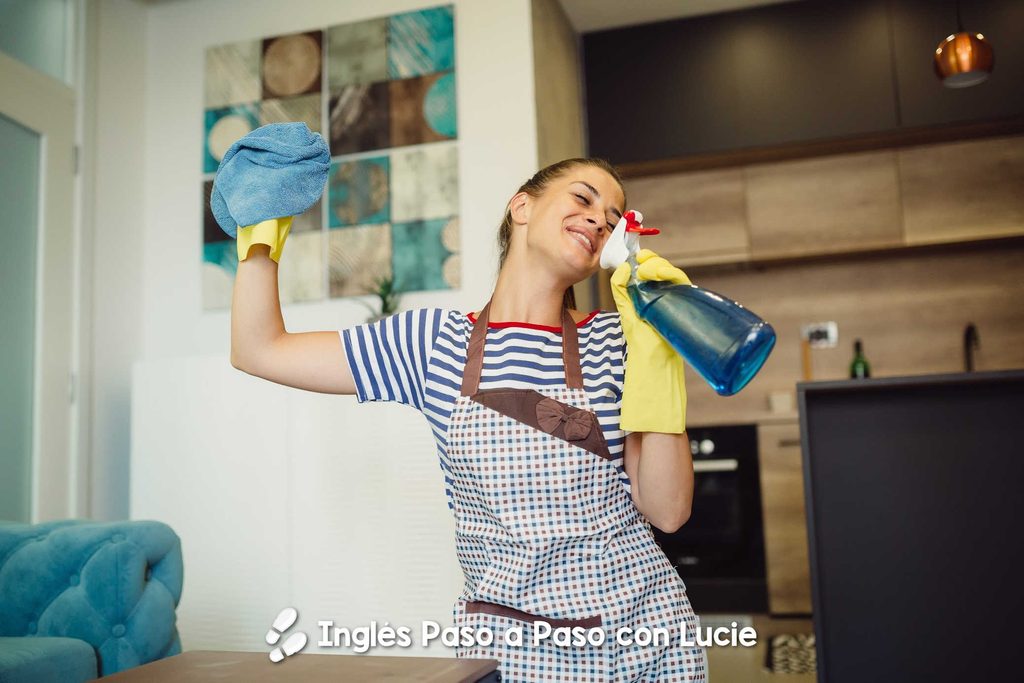
82. sing / sang / sung
She likes to sing while she does chores around the house.
She sang loudly while washing the dishes yesterday.
She has sung the same song every day this week.
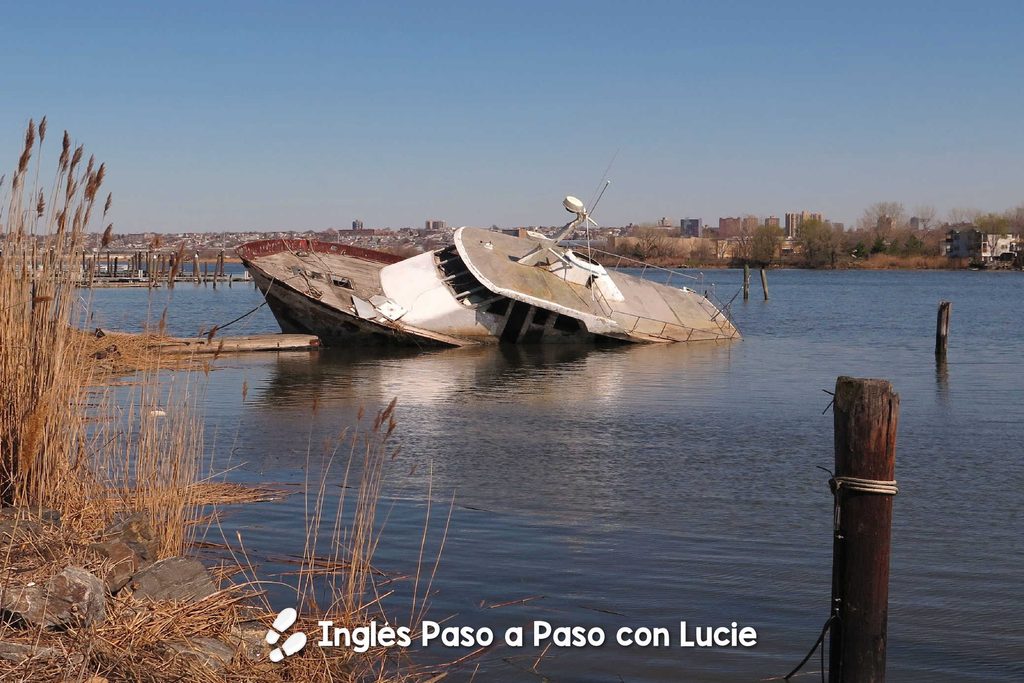
83. sink / sank / sunk
Be careful or the boat might sink if too many people get in.
It sank quickly after hitting a rock.
It’s the only boat that has ever sunk on this lake.
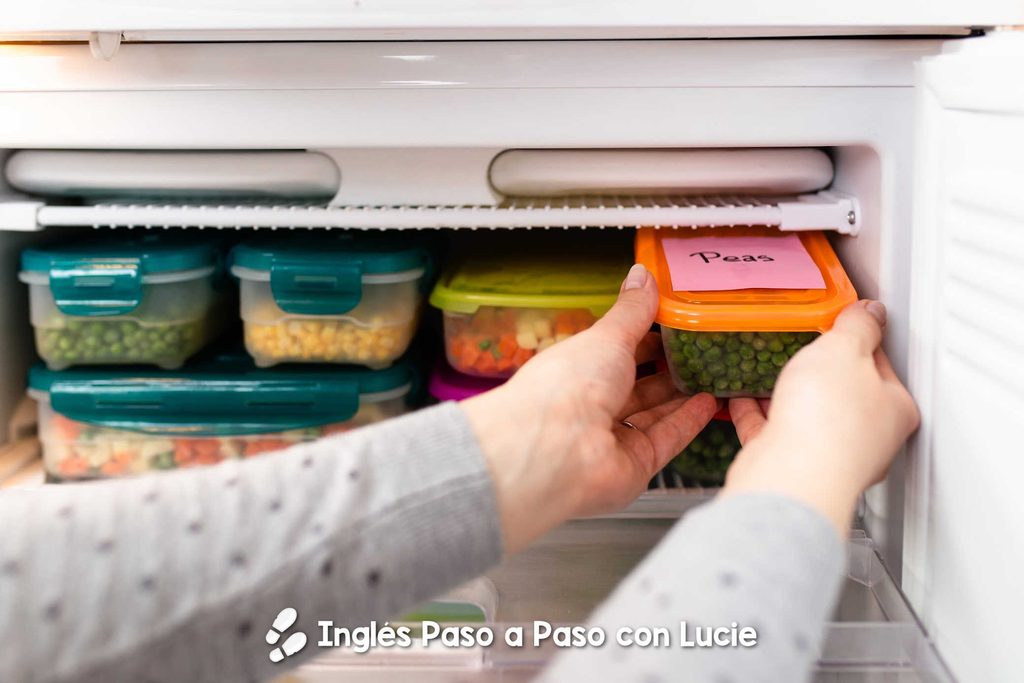
84. stink / stank / stunk
The fridge always stinks when it’s packed with leftovers.
Last week, it stank so badly that I had to air out the kitchen.
I’ve stunk up the fridge more times than I can remember.
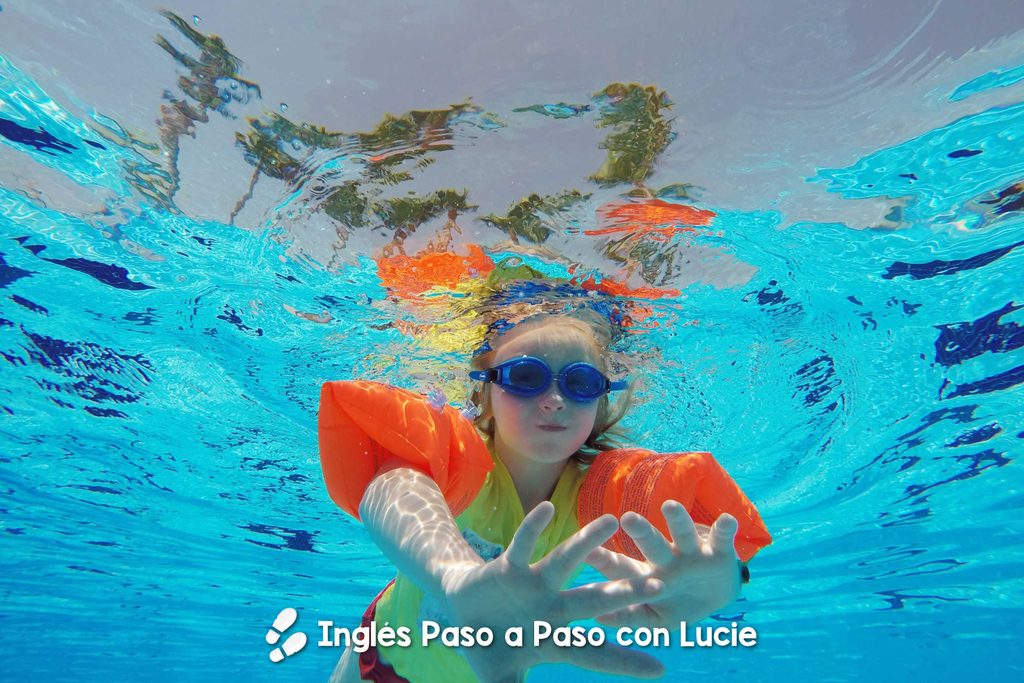
85. swim / swam / swum
Lily wants to learn how to swim without floaties.
She swam across the pool by herself yesterday.
Lily has swum every afternoon since her first lesson.
✅ Flashcards:
✅ Pair or No Pair?
- Escucha cada oración en inglés y decide si corresponde con el verbo que aparece en español.
- Selecciona «Pair» si la oración contiene una forma de ese verbo.
- Selecciona «No Pair» si no corresponde.
¿Tuviste dudas con alguna de las oraciones? Haz clic aquí.
1. My nephew has overcome his fear of dogs.
Mi sobrino ha superado su miedo a los perros.
2. My neighbors run around the park before work.
Mis vecinos corren alrededor del parque antes de ir al trabajo.
3. The old fishing boat sank near the harbor last winter.
El viejo barco pesquero se hundió cerca del puerto el invierno pasado.
4. Her phone rang during the wedding ceremony.
Su teléfono sonó durante la ceremonia de boda.
5. The children sing songs on the school bus.
Los niños cantan canciones en el autobús escolar.
6. We’ve begun reading a book about oceans this week.
Hemos empezado a leer un libro sobre los océanos esta semana.
7. The trash can has stunk for days, even after we cleaned it.
El bote de basura ha apestado durante días, incluso después de que lo limpiamos.
8. They came to our house for dinner last Friday.
Ellos vinieron a nuestra casa a cenar el viernes pasado.
9. My daughter swims at the community pool every Wednesday.
Mi hija nada en la piscina comunitaria todos los miércoles.
10. James outran his older cousin in yesterday’s race.
James corrió más rápido que su primo mayor en la carrera de ayer.
11. Our living room becomes a guest bedroom when family visits.
Nuestra sala se convierte en una habitación para huéspedes cuando nos visita la familia.
12. I’ve shrunk my favorite sweater in the dryer.
He encogido mi suéter favorito en la secadora.
13. We drank lemonade after the soccer game.
Bebimos limonada después del partido de fútbol.
✅ Spell the Word:
- Escucha cada oración.
- Identifica el verbo que escuchas y usa las letras disponibles para escribirlo correctamente.
- Escribe únicamente el verbo.
¿Tuviste dudas con alguna de las oraciones? Haz clic aquí.
1. The doorbell has rung four times this afternoon.
El timbre de la puerta ha sonado cuatro veces esta tarde.
2. My aunt became a nurse when she was twenty-five.
Mi tía se convirtió en enfermera cuando tenía veinticinco años.
3. My shirt shrinks when I wash it in hot water.
Mi camisa se encoge cuando la lavo con agua caliente.
4. The milk stinks because it was left outside overnight.
La leche apesta porque la dejaron afuera toda la noche.
5. The art class begins at ten every Monday.
La clase de arte empieza a las diez todos los lunes.
6. Ethan has outrun older students in several races.
Ethan ha corrido más rápido que estudiantes mayores en varias carreras.
7. My niece sang a beautiful song at her graduation.
Mi sobrina cantó una canción hermosa en su graduación.
8. I’ve drunk three cups of tea since breakfast.
He bebido tres tazas de té desde el desayuno.
9. My parents have come to every school performance this year.
Mis padres han venido a todas las presentaciones escolares este año.
10. A few small boats have sunk in this area during storms.
Algunos barcos pequeños se han hundido en esta zona durante las tormentas.
11. My older brother ran to the station because he was late.
Mi hermano mayor corrió a la estación porque iba tarde.
12. She overcomes problems by staying calm and asking questions.
Ella supera los problemas manteniendo la calma y haciendo preguntas.
13. Last summer, Daniel swam across the narrow river.
El verano pasado, Daniel nadó de un lado al otro del río estrecho.
✅ Speak the Words:
- Lee la oración y escucha el audio.
- Haz clic en el botón “Presione para hablar” y repite en voz alta únicamente el verbo irregular.
- Luego verifica tu respuesta y vuelve a intentarlo si es necesario.
- No te preocupes si no entiendes todas las palabras. Por ahora enfócate únicamente en los verbos irregulares.
- Esta actividad funciona mejor en Chrome.
¿Tuviste dudas con alguna de las oraciones? Haz clic aquí.
1. The school bell rings at eight every morning.
La campana de la escuela suena a las ocho todas las mañanas.
2. The small bookstore has become a popular meeting place.
La pequeña librería se ha convertido en un lugar de reunión popular.
3. Kevin overcame his fear of flying during his vacation.
Kevin superó su miedo a volar durante sus vacaciones.
4. The neighbors come over to play cards once a month.
Los vecinos vienen a nuestra casa a jugar cartas una vez al mes.
5. Heavy rocks sink to the bottom of the river.
Las rocas pesadas se hunden hasta el fondo del río.
6. We’ve run along the beach several times this week.
Hemos corrido por la playa varias veces esta semana.
7. My grandmother began painting when she turned sixty.
Mi abuela empezó a pintar cuando cumplió sesenta años.
8. The kitchen stank after someone burned the popcorn.
La cocina apestaba después de que alguien quemó las palomitas de maíz.
9. Our group has sung at three school events this year.
Nuestro grupo ha cantado en tres eventos escolares este año.
10. The cotton pants shrank after I put them in the dryer.
Los pantalones de algodón se encogieron después de que los puse en la secadora.
11. The small dog outruns the bigger dogs at the park.
El perro pequeño corre más rápido que los perros grandes en el parque.
12. I drink a glass of orange juice with breakfast most days.
Bebo un vaso de jugo de naranja con el desayuno casi todos los días.
13. My brother has swum in the ocean several times.
Mi hermano ha nadado en el océano varias veces.
✅ Find the Match:
Lee cada oración y elige la traducción del verbo correspondiente.
✅ Fill in the Blanks: Summer Camp
¿Tuviste dudas con alguna de las oraciones? Haz clic aquí.
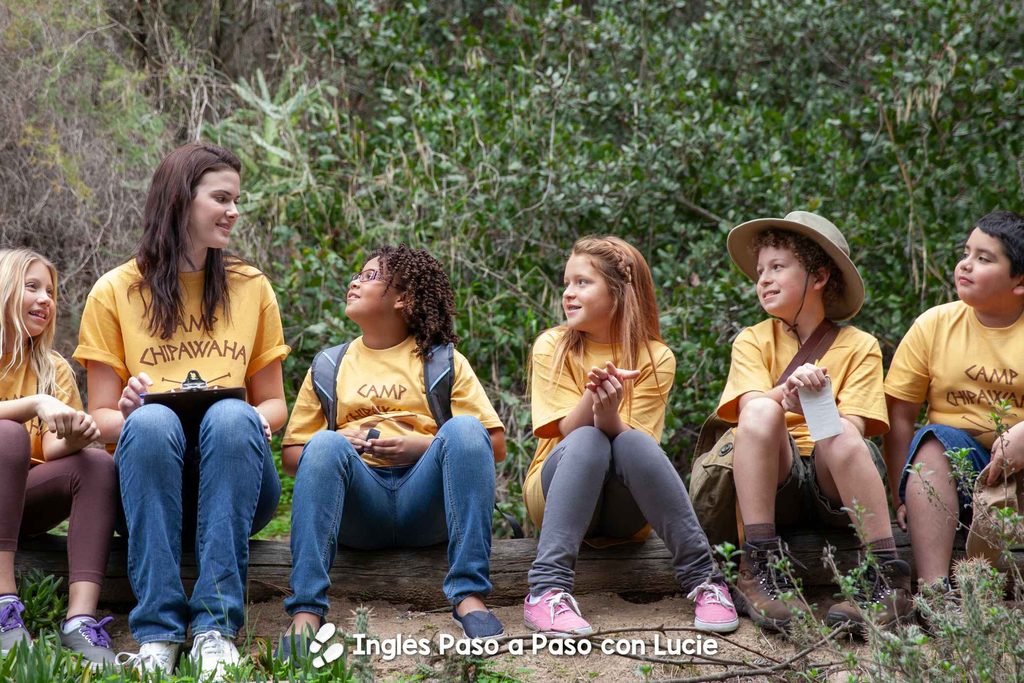
Last July, Emma went to a summer camp for the first time. She came by bus with twenty other kids, and she felt nervous. On the first night, everyone sat around the fire and sang songs. Emma was shy, but she began to sing too, and soon she became friends with a girl named Kate.
El pasado mes de julio, Emma fue a un campamento de verano por primera vez. Llegó en autobús con otros veinte niños y se sentía nerviosa. La primera noche, todos se sentaron alrededor de la fogata y cantaron canciones. Emma era tímida, pero también empezó a cantar y pronto se hizo amiga de una niña llamada Kate.
Emma was afraid of deep water. On the first day, one of her flip-flops sank in the lake, and she almost cried. Kate taught her to swim, and a week later, Emma swam across the lake without help. She overcame her fear.
Emma tenía miedo al agua profunda. El primer día, una de sus sandalias se hundió en el lago y casi lloró. Kate le enseñó a nadar y, una semana después, Emma nadó de un lado al otro del lago sin ayuda. Superó su miedo.
On the last day, there was a race. Emma ran as fast as she could and outran even the fastest boy. At noon, a bell rang, and everyone drank cold lemonade. Emma’s wet socks stank, but she didn’t care. That night, she made a promise to come back next year.
El último día, hubo una carrera. Emma corrió tan rápido como pudo y hasta corrió más rápido que el niño más veloz. Al mediodía, sonó una campana y todos bebieron limonada fría. Los calcetines mojados de Emma apestaban, pero no le importó. Esa noche, prometió regresar el próximo año.
✅ Graba tu pronunciación:
- Grábate leyendo los verbos y las oraciones en voz alta. Usa el botón para grabar tu voz.
- Después, escucha tu grabación con atención. ¿Hay alguna palabra que debas practicar más?
- Puedes descargar el audio y repetir la grabación las veces que necesites.
✅ Quiz: Review
Antes de continuar, realiza este quiz para repasar los verbos que estudiaste en la lección anterior.
Regresa a la Serie de Verbos Irregulares
Haz clic en el botón para seguir aprendiendo más verbos irregulares.
Suscríbete a mi canal en YouTube
¿Te gustaría seguir practicando inglés conmigo?
Suscríbete al canal y activa las notificaciones.